Understanding Solar Inverters: String vs. Micro Inverters
Understanding Solar Inverters: String vs. Micro Inverters - A Homeowner's Guide to Choosing the Best Residential Solar Solution
Solar inverters play a crucial role in converting the direct current (DC) generated by solar panels into alternating current (AC) that can be used in homes. This guide will help homeowners understand the differences between string inverters and microinverters, two popular types of solar inverters. By the end of this article, you will have a clear understanding of how these inverters work, their advantages and limitations, and how to choose the right one for your home. Many homeowners face challenges in selecting the best solar solution that maximizes energy efficiency and cost savings. This article will provide insights into the functionality of solar inverters, their impact on energy production, and expert recommendations for making an informed decision. We will explore the essential aspects of solar inverters, including their types, working mechanisms, and the latest trends in solar technology.
Ongoing research continues to explore ways to optimize PV inverter cost and performance in residential solar systems, addressing challenges in efficiency and economic viability.
What Is a Solar Inverter and Why Is It Essential for Your Home Solar System?
A solar inverter is a critical component of any solar energy system, responsible for converting the DC electricity generated by solar panels into AC electricity, which is the form of electricity used in homes. This conversion is essential because most household appliances operate on AC power. Without a solar inverter, the energy produced by solar panels would be unusable for everyday applications. Additionally, solar inverters play a vital role in optimizing the performance of solar energy systems by ensuring that the maximum amount of energy is harvested from the solar panels.
How Do Solar Inverters Convert DC to AC Electricity?
The conversion process begins when the solar panels generate DC electricity from sunlight. The solar inverter then uses a process called pulse width modulation (PWM) or other advanced techniques such as sine wave inversion to convert this DC electricity into AC electricity. This involves rapidly switching the DC current on and off to create a waveform that mimics AC power. The inverter also synchronizes the output with the grid frequency, ensuring that the electricity produced can be safely fed into the home’s electrical system or the grid.
What Are the Main Types of Solar Inverters Available?
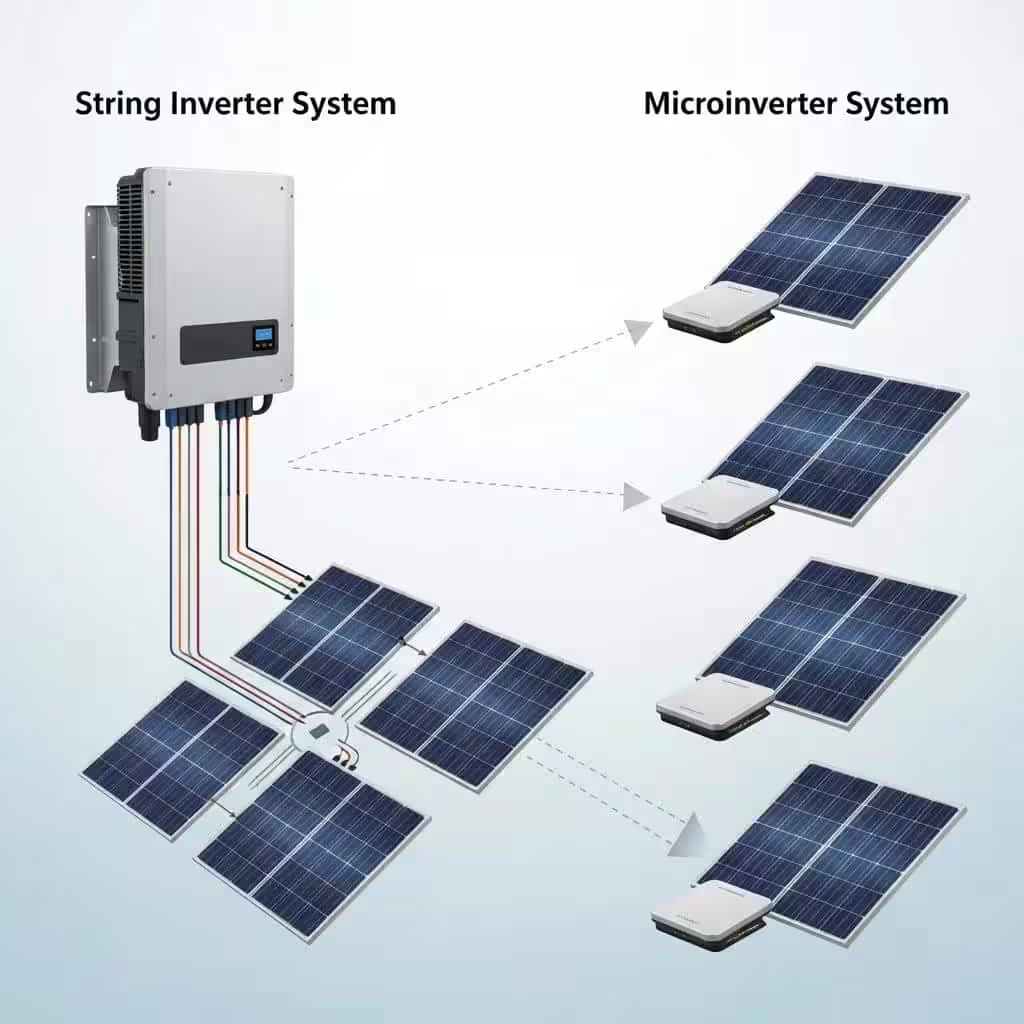
There are three main types of solar inverters: string inverters, microinverters, and hybrid inverters. String inverters are the most common type, connecting multiple solar panels in a series. Microinverters, on the other hand, are installed on each individual solar panel, allowing for panel-level optimization. Hybrid inverters combine the functionalities of string inverters with battery storage management capabilities, enabling integration with battery storage systems. Each type has its unique characteristics, advantages, and limitations, making it essential for homeowners to understand their options.
How Do String Inverters Work and When Are They Ideal for New England Homes?
String inverters work by connecting multiple solar panels in a series, forming a “string.” The inverter converts the DC electricity generated by the entire string into AC electricity. This type of inverter is ideal for homes with unshaded roofs and consistent sunlight exposure, as the performance of the entire string can be affected by the weakest panel. In New England, where weather conditions can vary, string inverters may be suitable for homes with optimal roof conditions.
What Are the Advantages and Limitations of String Inverters?
String inverters offer several advantages, including lower initial costs and simpler installation compared to microinverters. They are also easier to maintain, as there is only one inverter to monitor. However, their performance can be significantly impacted by shading or dirt on any of the panels in the string, leading to reduced energy production. Homeowners should consider these factors when deciding if string inverters are the right choice for their solar system.
How Does Roof Shading Impact String Inverter Performance?
Roof shading can severely impact the performance of string inverters. If one panel in the string is shaded, it can reduce the output of the entire string, leading to lower overall energy production. Homeowners should assess their roof’s shading conditions before selecting string inverters. Solutions such as optimizing panel placement or using microinverters can help mitigate shading issues and improve energy efficiency.
To further enhance energy output and minimize losses from electrical mismatches, optimizing panel architecture, rooftop placement, and series grouping procedures is crucial, especially in shaded conditions.
What Are Microinverters and How Do They Maximize Solar Output on Complex Roofs?
Microinverters are designed to be installed on each individual solar panel, allowing for independent operation and optimization. This means that each panel can perform at its maximum capacity, regardless of the performance of other panels in the system. Microinverters are particularly beneficial for homes with complex roof structures or varying shading conditions, as they can maximize energy output even in less-than-ideal situations.
How Do Microinverters Provide Panel-Level Optimization?
Microinverters provide panel-level optimization by converting DC to AC electricity at each panel. This allows for real-time monitoring and performance tracking of each individual panel, ensuring that any issues can be quickly identified and addressed. This level of optimization can lead to increased energy production, especially in scenarios where some panels may be shaded or dirty.
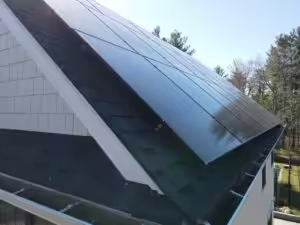
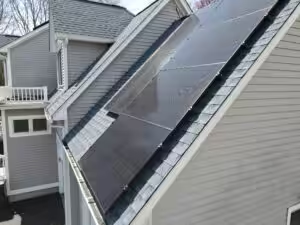
This panel-level optimization is achieved by installing a microinverter directly on each individual solar panel, allowing for independent performance and monitoring.
What Are the Cost and Warranty Considerations for Microinverters?
While microinverters typically have a higher upfront cost compared to string inverters, they can offer significant long-term savings through increased energy production. Additionally, many microinverters come with extended warranties, often lasting 20-25 years, which can provide peace of mind for homeowners. It is essential to weigh the initial investment against the potential energy savings and warranty benefits when considering microinverters.
What Are Hybrid Inverters and How Do They Integrate with Solar Battery Storage?

Hybrid inverters combine the functionalities of string inverters with battery storage management, allowing for the integration of solar energy systems with battery storage. This type of inverter can manage the flow of electricity between the solar panels, the home, and the battery storage system, providing homeowners with greater energy independence and flexibility.
How Do Hybrid Inverters Support Energy Independence and Backup Power?
Hybrid inverters support energy independence by allowing homeowners to store excess energy generated during the day for use during the night or during power outages. This capability ensures that homeowners can rely on their solar energy system even when the grid is down, providing a reliable backup power source.
What Are the Advantages of Combining Hybrid Inverters with Battery Systems?
Combining hybrid inverters with battery systems offers several advantages, including increased energy efficiency and cost savings. Homeowners can utilize stored energy during peak demand times when electricity rates are higher, reducing their overall energy costs. Additionally, this combination enhances the resilience of the home’s energy system, ensuring a continuous power supply even during outages.
How to Choose the Right Solar Inverter for Your Home: Factors and Expert Recommendations
Choosing the right solar inverter for your home involves considering several factors, including roof type, shading conditions, and energy needs. Homeowners should assess their specific circumstances to determine which inverter type will provide the best performance and value.
What Roof and Shading Conditions Affect Inverter Selection?
The type of roof and shading conditions play a significant role in inverter selection. Homes with unshaded roofs may benefit from string inverters, while those with complex roof structures or significant shading may find microinverters or hybrid inverters to be more effective. Conducting a shading analysis can help homeowners make informed decisions about their solar inverter options.
How Does Sunfinity Power Customize Inverter Solutions for RI, MA, and CT Homeowners?
Sunfinity Power specializes in providing customized solar solutions for homeowners in Rhode Island, Massachusetts, and Connecticut. By conducting personalized assessments, the company can recommend the most suitable inverter options based on individual energy needs and roof conditions. This tailored approach ensures that homeowners receive the best possible solar solution for their specific circumstances.
What Are the Latest Trends and Market Insights in Solar Inverter Technology for 2026?
The solar inverter market is continuously evolving, with new technologies and trends emerging to enhance efficiency and performance. Homeowners should stay informed about these developments to make the best choices for their solar energy systems.
How Are Pricing, Efficiency, and Cybersecurity Shaping Solar Inverter Choices?
Pricing and efficiency are critical factors influencing solar inverter choices. As technology advances, the cost of solar inverters has generally decreased, making them more accessible to homeowners. Additionally, the increasing focus on cybersecurity in solar technology ensures that homeowners can protect their energy systems from potential threats, further influencing their purchasing decisions.
Which Leading Manufacturers and Technologies Should Homeowners Know About?
Homeowners should be aware of leading manufacturers in the solar inverter market, including those known for their innovative technologies and reliable products. Staying informed about the latest advancements can help homeowners select high-quality inverters that meet their energy needs and provide long-term value.
| Inverter Type | Advantages | Limitations |
|---|---|---|
| String Inverter | Cost-effective, easy installation | Performance affected by shading |
| Microinverter | Panel-level optimization, better performance in shading | Higher upfront cost |
| Hybrid Inverter | Integrates with battery storage, energy independence | More complex installation |
Solar inverters are a vital component of any solar energy system, and understanding the differences between string inverters and microinverters is essential for homeowners looking to maximize their energy efficiency and cost savings. By considering factors such as roof conditions, shading, and energy needs, homeowners can make informed decisions about the best solar inverter for their homes. With the right inverter, homeowners can enjoy the benefits of solar energy while reducing their energy costs and increasing their home value.