
Solar Roofs vs. Solar Panels in New England: Savings & ROI
Solar Roof vs. Solar Panels: Which Is the Better Investment for New England Homes?
As homeowners in New England consider renewable energy options, the debate between solar roofs and traditional solar panels becomes increasingly relevant. This article delves into the key differences, benefits, and financial implications of each option, helping homeowners make informed decisions. Solar roofs, often referred to as solar shingles, integrate seamlessly with the home’s architecture, while solar panels are a more established technology with proven efficiency. Understanding the nuances of these solar energy solutions is crucial for maximizing energy cost savings and enhancing home value. We will explore the cost and financial benefits, installation processes, energy efficiency in cold climates, maintenance needs, available incentives, and the impact on home value.
What Is a Solar Roof?
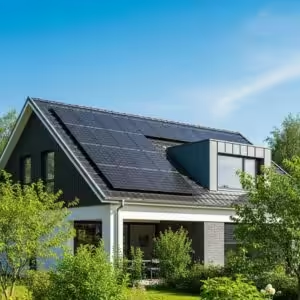
A solar roof is an innovative roofing solution that integrates solar energy generation directly into the roofing material itself, rather than mounting panels on top of an existing roof. This approach replaces traditional roofing materials with solar tiles or shingles that look like conventional roofing but generate electricity. Solar roofs are designed to be both functional and aesthetically pleasing, blending into the home’s architecture without the bulky appearance of traditional solar panels.
Several major solar roof products dominate the market, each with unique features and design philosophies:
- Tesla Solar Roof: Tesla’s Solar Roof uses tempered glass solar tiles that cover the entire roof surface. These tiles are designed to look like premium roofing materials such as slate or terra cotta, providing a sleek, flush appearance with no visible racking hardware. The system integrates with Tesla’s Powerwall battery for a complete energy ecosystem.
- GAF Timberline Solar: GAF’s Timberline Solar shingles are nailable solar shingles that can be installed using standard roofing practices. They resemble traditional asphalt shingles but contain embedded solar cells. This product is designed to be compatible with existing roofing techniques, making installation more straightforward for roofing contractors.
- CertainTeed Apollo: The Apollo solar shingles are low-profile and designed to blend seamlessly with asphalt shingles. They offer a subtle aesthetic that is less conspicuous than traditional panels, making them ideal for homeowners who want solar energy without altering their home’s curb appeal.
- Luma Solar: Luma Solar offers a premium integrated solar roofing system that combines high-efficiency solar tiles with durable roofing materials. Their system emphasizes both performance and design, targeting homeowners who want a luxury solar roof solution.
Compared to traditional solar panels, solar roofs sit flush with the roofline and do not require visible mounting racks or hardware. From the street, they appear as premium roofing materials rather than energy equipment, which can be a significant advantage in neighborhoods with strict aesthetic guidelines or historic districts.
What Are Traditional Solar Panels?
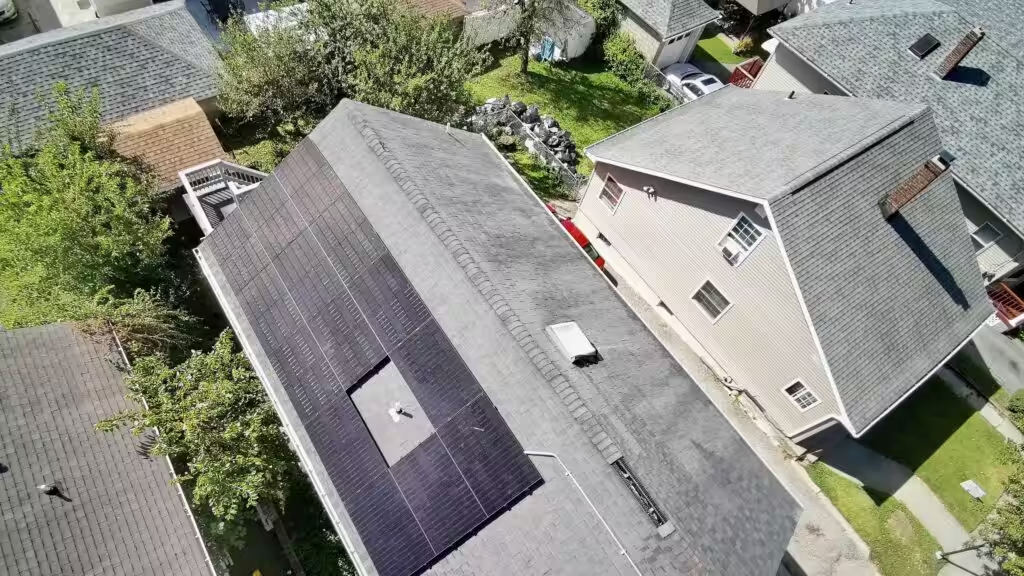
Traditional solar panels are the most common form of residential solar energy systems. These panels are typically rack-mounted above the roof surface using aluminum racking systems. The panels themselves are made from photovoltaic cells, usually monocrystalline or polycrystalline silicon, which convert sunlight into electricity.
Monocrystalline panels are known for their high efficiency and sleek black appearance, while polycrystalline panels are generally less expensive but slightly less efficient, with a blueish hue. These panels are installed on racks that tilt them at an optimal angle to maximize sun exposure.
Traditional solar panels have been the industry standard for decades due to several factors:
- Proven Technology: The technology is mature and well-understood, with decades of performance data.
- High Efficiency: Monocrystalline panels can achieve efficiencies of 20–23%, making them highly effective at converting sunlight to electricity.
- Wide Installer Availability: Most solar installers are experienced with traditional panels, ensuring competitive pricing and reliable installation.
- Lower Cost: The cost per watt of traditional panels is generally lower than solar roofs, making them more accessible to many homeowners.
- Mature Supply Chain: Components and replacement parts are widely available, reducing maintenance and repair costs.
Cost and Financial Benefits
When evaluating solar roofs versus solar panels, the initial costs and long-term savings are critical factors. Solar roofs typically have a higher upfront cost due to their dual function as both roofing material and energy generator. However, they can offer significant long-term savings on energy bills and may increase home value. In contrast, traditional solar panels generally have lower installation costs and a quicker return on investment due to established incentives and rebates.
Cost Comparison
| Approach | Initial Cost | Long-term Savings | Incentives Available |
|---|---|---|---|
| Solar Roof | Higher | Moderate | Limited |
| Solar Panels | Lower | High | Extensive |
This table illustrates the financial landscape of solar roofs and panels, highlighting the trade-offs between initial investment and potential savings. Homeowners should consider their budget and long-term energy goals when making a decision.
Financial Incentives
In New England, various state and federal incentives can significantly reduce the cost of solar installations. Homeowners can benefit from tax credits, rebates, and net metering programs that enhance the financial viability of both solar roofs and panels. For instance, the federal solar tax credit allows homeowners to deduct 30% of their solar installation costs from their federal taxes through the end of 2032, making solar energy more accessible.
Installation Process and Timeline
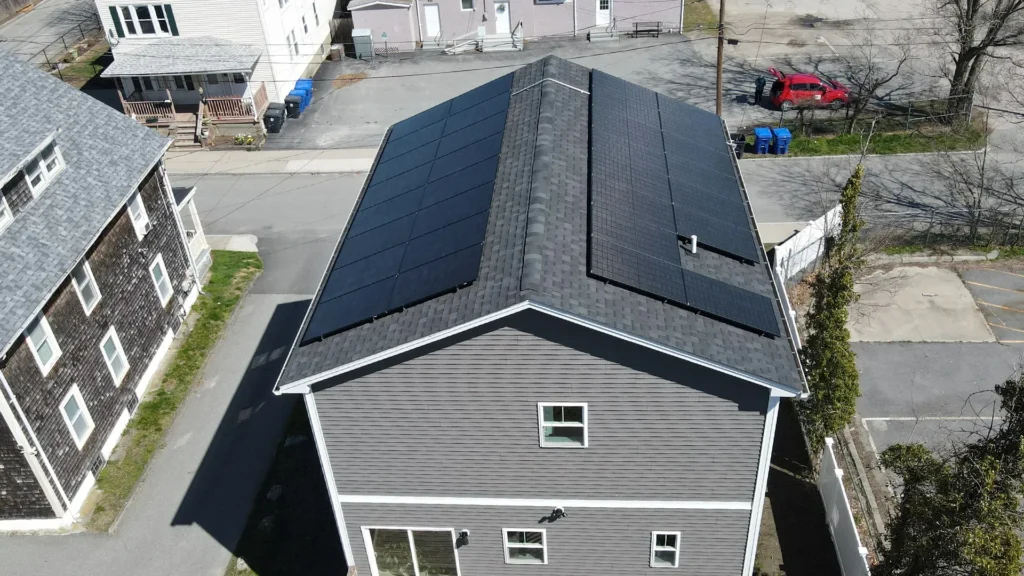
The installation process for solar roofs and panels varies significantly, impacting the overall timeline and homeowner experience. Solar roofs require a more complex installation due to their integration with roofing materials, which can extend the installation period. Conversely, solar panels can often be installed more quickly, allowing homeowners to start saving on energy costs sooner.
Steps for Solar Roof Installation
- Site Assessment: A professional evaluates the roof’s suitability for solar shingles.
- Design and Permitting: Custom designs are created, and necessary permits are obtained.
- Installation: The solar shingles are installed, replacing traditional roofing materials.
- Inspection: A final inspection ensures compliance with local codes.
Steps for Solar Panel Installation
- Site Assessment: Evaluation of roof space and orientation for optimal sunlight exposure.
- Design and Permitting: System design and permit acquisition.
- Installation: Solar panels are mounted on the roof or ground.
- Connection: The system is connected to the electrical grid.
Energy Efficiency and Performance in Cold Climates
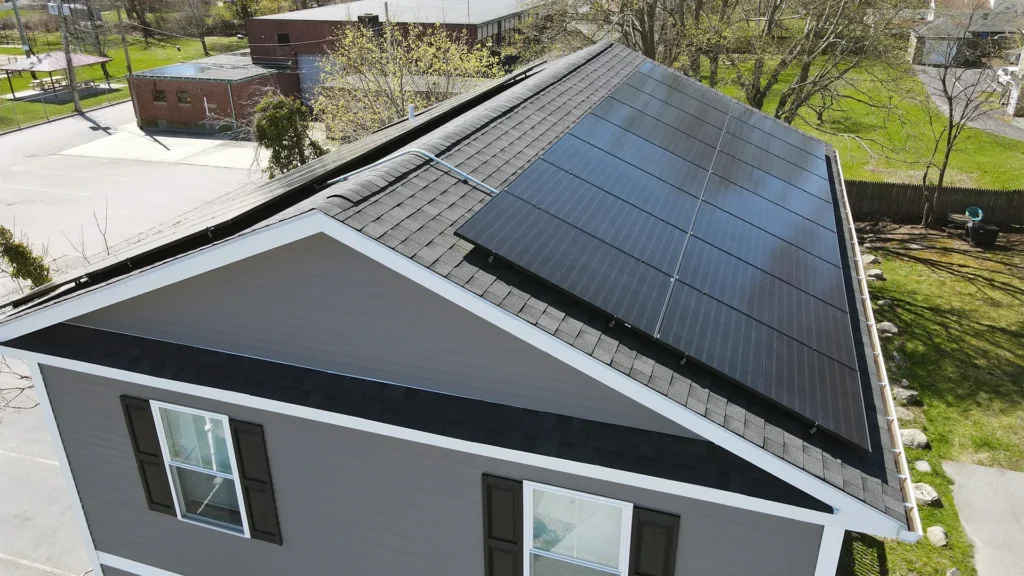
New England’s cold climate poses unique challenges for solar energy systems. Both solar roofs and panels must be evaluated for their energy efficiency and performance in winter conditions. Solar panels generally perform well in cold weather, as they can generate energy even in low temperatures, while solar roofs may have varying efficiency based on their design and materials.
Performance in Winter Conditions
- Solar Panels: Maintain efficiency in cold weather; snow can slide off, allowing for continued energy production.
- Solar Roofs: Performance may vary; some designs may retain snow, impacting energy generation.
Maintenance and Durability
Both solar roofs and panels require maintenance to ensure optimal performance. Solar panels typically have a longer lifespan and require less frequent maintenance compared to solar roofs, which may need regular inspections to check for leaks or damage.
Maintenance Requirements
- Solar Roofs: Regular inspections for leaks and damage; cleaning may be necessary to remove debris.
- Solar Panels: Periodic cleaning to remove dirt and snow; inspections to ensure connections are secure.
Incentives and Savings Reports
Homeowners in New England can take advantage of various financial incentives to offset the costs of solar installations. Understanding these incentives is crucial for maximizing savings.
Available Incentives
- State Incentives: Many states offer rebates for solar installations.
- Federal Tax Credits: Homeowners can deduct 30% of installation costs from their federal taxes.
- Net Metering: Homeowners can receive credits for excess energy produced by their solar systems.
For those interested in exploring these options, Sunfinity Power offers free consultations to help homeowners navigate the available incentives and determine the best solar solution for their needs.
Impact on Home Value
Investing in solar energy can significantly enhance a home’s value. Studies show that homes with solar installations tend to sell for more than comparable homes without solar. This increase in value can be attributed to the energy cost savings and the growing demand for sustainable living options.
Market Trends
- Increased Demand: Homes with solar energy solutions are increasingly sought after.
- Appraisal Considerations: Appraisers often factor in the value of solar installations when determining home value.
By understanding the financial implications and benefits of solar roofs and panels, homeowners can make informed decisions that align with their energy goals and financial situations. To further understand your potential savings, consider requesting a solar savings report.
Considering a new roof along with solar? Roof replacement services can be integrated with your solar installation for optimal efficiency. Additionally, solar installation and roofing together ensures a seamless and efficient transition to renewable energy.
Head-to-Head Comparison Table
| Feature | Solar Roof | Traditional Solar Panels |
|---|---|---|
| Cost | $40,000–$70,000 (full roof replacement included) | $20,000–$35,000 (10–12 kW system) |
| Efficiency | 15–20% | 20–23% |
| Aesthetics | Flush with roofline, no visible racks, premium look | Mounted above roof, visible racks and hardware |
| Durability | High; designed as roofing material, lifetime warranties available | High; 25-year warranties common |
| Installation Time | Longer; roof replacement plus solar integration | Shorter; panels mounted on existing roof |
| Warranty | Lifetime tile warranty (Tesla), 25 years power warranty | Typically 25 years performance warranty |
| Availability in RI/MA/CT | Limited; fewer certified installers | Wide; many certified installers and suppliers |
Cost Comparison in New England
In Rhode Island, Massachusetts, and Connecticut, the cost of solar installations varies based on system type and size. Tesla Solar Roof installations typically range from $40,000 to $70,000 for a full roof replacement with integrated solar tiles. This price reflects the complexity of replacing the entire roof with solar-generating materials.
Traditional solar panel systems, sized around 10 to 12 kilowatts, generally cost between $20,000 and $35,000 in these states. This cost includes panels, inverters, mounting hardware, and installation but assumes the existing roof is in good condition and does not require replacement.
Both solar roofs and traditional panels qualify for the 30% federal Investment Tax Credit (ITC), which significantly reduces the net cost. When considering the 25-year total cost of ownership, solar roofs become more competitive if a roof replacement is already needed. In such cases, the combined cost of a new roof plus traditional solar panels may approach or exceed the cost of a solar roof, making the integrated solution more attractive.
Efficiency Comparison
Efficiency is a key factor in solar energy production. Traditional monocrystalline solar panels achieve efficiencies between 20% and 23%, meaning they convert a higher percentage of sunlight into usable electricity. Solar shingles and tiles used in solar roofs typically have efficiencies ranging from 15% to 20%, which is lower due to design constraints and integration with roofing materials.
In New England, solar irradiance is moderate, with approximately 4.0 to 4.5 peak sun hours per day. This means the efficiency gap between solar roofs and traditional panels has a more pronounced impact on real-world energy production compared to sunnier states like Arizona. Homeowners with limited roof space may find traditional panels more effective at maximizing energy output.
Aesthetics and HOA Considerations
Aesthetics play a significant role in solar adoption, especially in historic districts, upscale neighborhoods, and waterfront communities common in Rhode Island, Massachusetts, and Connecticut. Solar roofs offer a sleek, integrated look that preserves curb appeal by eliminating visible racks and panels.
Homeowners associations (HOAs) in these states often have rules governing exterior modifications. Massachusetts and Rhode Island have solar access laws that generally prevent HOAs from banning solar installations outright. However, solar roofs may be easier to approve in communities with strict aesthetic guidelines due to their discreet appearance. Connecticut offers similar protections, supporting homeowners’ rights to install solar while balancing neighborhood aesthetics.
When a Solar Roof Makes Sense
Solar roofs are an excellent choice in specific scenarios:
- Roof Replacement Needed: If the existing roof is 15+ years old or has significant damage, installing a solar roof can combine roofing and solar installation into one project, potentially saving money and time.
- New Construction: Integrated solar roofing can be more efficient to install during new builds, avoiding the need for separate roofing and solar projects.
- HOA or Municipal Restrictions: In areas with strict rules on visible solar panels, solar roofs provide a compliant, aesthetically pleasing alternative.
- Tesla Powerwall Integration: Homeowners seeking a smart energy ecosystem with battery storage may prefer Tesla’s integrated solutions.
- Aesthetics Priority: When curb appeal and seamless design outweigh maximum return on investment, solar roofs offer a premium look.
When Traditional Solar Panels Win
Traditional solar panels remain the best option for many homeowners due to:
- Best ROI and Faster Payback: Typical payback periods in New England are 7–10 years for panels versus 12–15 years for solar roofs.
- Existing Roof in Good Condition: If the roof does not need replacement, adding panels is more cost-effective.
- Installer Network: A wider network of certified installers in RI, MA, and CT ensures competitive pricing and availability.
- Higher Efficiency: More energy production per square foot, beneficial for homes with limited roof space.
- Simpler Permitting: Most New England towns have streamlined permitting for traditional solar panels.
Sunfinity Power's Recommendation for RI/MA/CT Homeowners
As a local New England solar installer, Sunfinity Power considers several regional factors when advising homeowners:
- Snow Load: New England roofs must support 40–60 lbs/sq ft snow loads. Both panels and solar shingles must be rated accordingly.
- Roof Pitch: Steeper roofs common in New England often self-clear snow better, improving solar performance.
- Utility Rate Structures: Eversource and National Grid rates in RI, MA, and CT influence payback calculations and system sizing.
- Net Metering Policies: Rhode Island, Massachusetts, and Connecticut have net metering programs that credit homeowners for excess solar energy fed back to the grid.
For most homeowners with a roof in good condition, traditional solar panels offer the best value and fastest return. Solar roofs are recommended when a roof replacement is imminent or when aesthetics and integration are top priorities.