
Breaking Down Upfront Solar Installation Costs in Rhode Island
The transition to solar energy is essential for both environmental sustainability and long-term cost savings. Rhode Island homeowners are considering to reduce energy bills, enhance property value, and support green building initiatives. A common concern is the significant upfront cost of these systems. This article explains the initial expenses, cost components, and available financing and incentive options—such as solar loans, leases, PPAs, and home equity financing—so you can make a confident solar investment decision.
Understanding Initial Solar Panel Expenses in Rhode Island
The initial investment for solar panels in solar installation involves more than just the price of the panels. Expenses extend to hardware, installation labor, permits, and inspection fees. The overall cost is influenced by system size and component quality. For example, a larger system designed to power an entire home usually incurs higher equipment and installation fees than a small system. Factors such as panel technology (monocrystalline versus polycrystalline), inverter brand, and mounting methods also affect costs. Understanding each cost element helps homeowners take advantage of available tax credits and state rebates that may significantly reduce the net expense.
Typical Components of Solar Panel Installation Costs in RI
Solar installation costs in Rhode Island are made up of several key components: solar installation services.
- Equipment Costs: Includes solar panels, inverters, racking systems, wiring, and mounting hardware. Higher efficiency panels (typically monocrystalline) usually cost more.
- Installation and Labor Costs: Covers the professional fees for mounting the panels and connecting them to your home’s electrical system. Skilled installers ensure optimal performance and compliance with regulations.
- Permitting and Inspection Fees: Required by local governments to meet safety and building codes. Although these fees vary by municipality, they remain an essential part of the overall cost.
- Additional Electrical Work: May include upgrading wiring, circuit breakers, or even specific disconnect systems if the home’s current electrical setup is inadequate.
- Warranty and Performance Guarantees: Some packages include extended warranties and maintenance plans, which can be factored into the upfront expenses.
A detailed cost breakdown helps determine where savings may be achieved through or efficient financing options.
How System Size Impacts Your Initial Investment
The size of the solar panel system is a major cost determinant. A larger system—measured in kilowatts (kW)—requires more panels, wiring, and a higher capacity inverter, which results in higher installation costs. For instance, a 5 kW system may be considerably less expensive than a 10 kW system, although the larger setup may support additional energy needs, like electric vehicle charging stations. However, larger systems can sometimes benefit from economies of scale, reducing the per-unit cost of panels. Homeowners should perform an energy audit to determine the ideal solar panel installation based on current and future energy consumption.
The Role of Equipment Quality in Upfront Solar Pricing
Equipment quality greatly influences upfront . Premium solar panels and advanced inverters typically offer higher efficiency—sometimes exceeding 20% output per square foot—and come with longer warranties and improved durability. Although high-quality equipment costs more initially, the benefits over the system’s lifetime include lower maintenance costs and a better overall return on investment. Investing in quality components is a strategic decision that can lead to long-term energy savings and enhanced system reliability.
Permitting and Inspection Fees Contribution to Initial Costs in RI
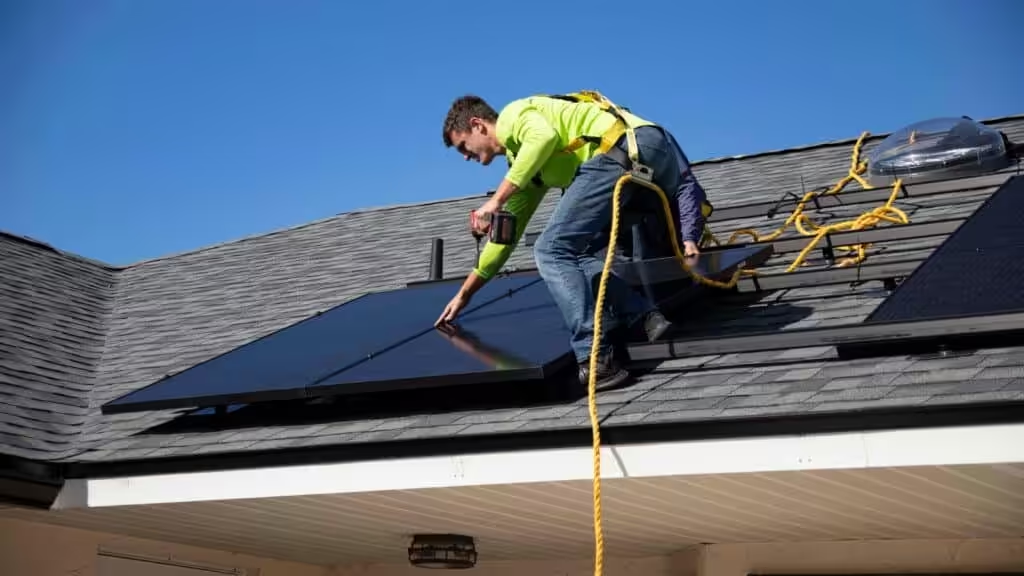
Permitting and inspection fees are necessary administrative costs. Local governments require permits to ensure that your installation meets all safety, zoning, and building code requirements. Inspections verify proper wiring, mounting, and overall system integrity. Although these fees represent only a small fraction of the total cost, they are essential for legal and safe installation. Homeowners should budget for these extra costs and explore any available local that might help reduce these expenses.
Are There Any Upfront Costs Associated With Solar Panel Installation in RI for Different System Types
The upfront costs for solar installation in Rhode Island vary with the system type chosen. Here are the main system types:
Comparing Initial Outlays for Rooftop Solar Systems
Rooftop systems are the most common and usually cost less because they use the existing roof structure for mounting. However, factors like roof condition, orientation, and shading must be evaluated. Additional expenses may arise if the roof requires repairs or reinforcements prior to roof replacement services.
Examining Upfront Expenses for Ground-Mounted Solar Arrays
Ground-mounted systems require a dedicated support structure on the ground, often leading to higher installation costs due to extra labor and materials. Their advantages include easier maintenance access and optimal orientation flexibility, which may improve overall efficiency.
Cost Considerations for Solar Shingle Installations
Solar shingles integrate photovoltaic cells directly into roofing materials for a sleek, blended appearance. However, the installation is more labor-intensive and the technology can command a higher price premium due to its specialized nature.
Initial Financial Commitments for Off-Grid Solar Systems
Off-grid systems, requiring batteries, charge controllers, and inverters for energy storage, bear significantly higher upfront costs. They are typically used in remote locations where grid connection is not available or desired. These systems provide complete energy independence but come with a steeper initial price tag. .
Securing Solar Loans for Your Rhode Island Installation
Financing is crucial in making solar more accessible. Solar loans allow homeowners to cover high upfront costs by repaying the expense over time with favorable interest rates and terms. These loans are offered by renewable energy finance companies and traditional banks alike. With monthly savings on utility bills potentially shortening the payback period, solar loans provide an immediate benefit while spreading the cost over several years.
Understanding Solar Lease Agreements and Initial Payments
Solar lease agreements offer another financing option where a provider owns the system, and the homeowner pays a fixed monthly fee for the generated power. Typically, this arrangement requires little to no initial cost. Although leasing does not provide ownership or tax credit benefits, it offers predictable payments and maintenance is handled by the provider. This model is particularly attractive for homeowners who wish to avoid the large upfront investment.
Power Purchase Agreements (PPAs) and Their Upfront Cost Implications in RI
Under a Power Purchase Agreement (PPA), the solar provider installs and maintains the system while the homeowner buys the generated power at a predetermined, typically lower rate than the utility’s pricing. PPAs usually involve no upfront cost, allowing immediate utility bill reductions. The provider assumes the performance and maintenance risks, making this an attractive option in Rhode Island’s supportive regulatory environment.
Home Equity Loans or HELOCs for Solar Investment
For homeowners preferring full ownership of their solar systems, home equity loans or lines of credit (HELOCs) serve as effective financing methods. These options usually offer lower interest rates than unsecured loans and provide potential tax benefits. However, they require an appraisal process and careful consideration of long-term debt implications.
Rhode Island Incentives That Reduce Initial Solar Installation Expenses
A range of incentives is available in Rhode Island Solar Incentives to lower the upfront costs of solar installations:
State Tax Benefits
The state tax benefits currently covers up to of the total system cost, applying to both equipment and installation expenses. This significantly reduces the amount of out-of-pocket cash needed at the outset.
State Rebates
State-specific rebates and tax incentives further offset initial costs. Administered through state energy programs or local utilities, these directly lower the net installation price.
Local Utility Incentives
Local utilities may offer performance-based rebates or , where excess energy production is credited back to the homeowner. Upfront installation rebates are also sometimes available, easing the financial burden further.
Renewable Energy Certificates (RECs)
Homeowners may also generate revenue by selling Renewable Energy Certificates (RECs) that represent the environmental benefits of their solar energy production. This additional revenue stream can further lower the net cost of the system.
Together, these incentives make solar energy a more economically attractive option with a better overall .
Factors Influencing the Variation in Upfront Solar Costs Across Rhode Island
Several factors cause variation in upfront solar costs across Rhode Island solar incentives:
Roof Condition and Complexity
An older, complex, or damaged roof may require extra labor, custom mounting solutions, or repairs, which drive up costs. Homes with simple, well-maintained generally see lower installation fees.
Installer Reputation
Choosing a reputable installer with strong credentials may result in a higher initial quote but can translate to reliable performance and fewer issues over time. Conversely, lower-cost installations by less experienced providers might lead to hidden expenses later on.
Additional Electrical Work
Older homes without modern electrical systems might need upgrades such as new wiring, breakers, or inverters, increasing overall costs.
Geographic Location
Urban areas typically have higher labor and material costs compared to rural regions. Differences in local permitting fees and municipal regulations can also cause cost variations.
Getting a Clear Picture of Your Potential Upfront Solar Panel Costs in RI
Before proceeding, it is vital to obtain a detailed, transparent quote from a solar provider. A comprehensive proposal should itemize all costs—including equipment, installation, permits, and any additional work—to help compare quotes from different providers. A clear breakdown empowers homeowners to negotiate better terms and ensures there are no hidden fees. Additionally, discussing financing options such as solar loans, leases, or alongside available incentives will align the upfront investment with long-term energy savings.
Frequently Asked Questions
Q: What determines the initial cost of a solar panel system in Rhode Island?A: Equipment quality, system size, , and any additional electrical work all contribute to the total upfront expense.
Q: Can incentives significantly reduce upfront expenses for solar installations?A: Yes, state tax benefits, state rebates, local utility incentives, and (RECs) can greatly reduce the net initial cost. .
Q: How does roof condition affect the price of solar installation?A: Poor or complex roof conditions may require extra labor, custom mounting solutions, or repairs—driving up costs—whereas generally leads to lower expenses.
Q: What financing options are available if I cannot pay the full installation cost upfront?A: Options include solar loans, leases, Power Purchase Agreements (PPAs), and home equity financing such as HELOCs. For more information, visit solar installation services.
Q: Are there any differences in upfront costs between rooftop and ground-mounted systems?A: Typically, rooftop systems are less expensive because they use existing structures, while ground-mounted systems require additional support structures, though they might offer easier maintenance and optimal orientation.
Q: How long does it typically take for the financial benefits of solar to offset the upfront costs?A: Payback periods generally range from 5 to 10 years, depending on system size, energy usage, local rates, and available .
Q: Do increased equipment quality or higher upfront spending guarantee better performance?A: Generally, higher-quality equipment yields better efficiency, longer warranties, and lower maintenance costs; however, overall performance depends on system design and installation quality.
| Component | Estimated Cost Range | Key Considerations | Benefit |
|---|---|---|---|
| Equipment (Panels, Inverters) | $5,000 – $15,000 | Efficiency, durability, technology type | High energy output, long-term reliability |
| Installation and Labor | $2,000 – $6,000 | Labor quality, roof complexity | Secure and proper system mounting |
| Permitting and Inspection | $500 – $2,000 | Local government fees, inspection requirements | Compliance with safety standards |
| Additional Electrical Work | $1,000 – $3,000 | Upgrading wiring, panels, breaker capacity | Smooth integration with existing systems |
| Total | $8,500 – $26,000 | Varies based on system size and quality | Comprehensive solar energy system |
Before finalizing your decision, review a detailed table like the one above to understand how each component contributes to your total upfront costs. This transparency helps you prepare for extra expenses and negotiate better financing terms.
A clear understanding of these costs, combined with the various financing options and state incentives available in Rhode Island, provides a roadmap to a more sustainable and economically beneficial solar investment. Homeowners should take advantage of detailed proposals and transparent pricing from reputable installers to capture all potential incentives and align the project timeline with their financial goals.
By carefully evaluating the initial expenses and financing options, Rhode Island residents can confidently transition to , ultimately reducing their energy costs, lowering their carbon footprint, and increasing their property value.
Conclusion
Understanding the upfront costs of in Rhode Island empowers homeowners to make informed decisions that lead to long-term savings and environmental benefits. By exploring various financing options and state incentives, you can significantly reduce your initial investment while enhancing your property’s value. Take the next step towards sustainable energy by requesting detailed quotes from reputable solar providers today. Embrace the opportunity to lower your energy bills and contribute to a greener future.