
Best Solar Companies: Turning Electric Bills into Savings
Solar Savings on Your Electric Bill: Top Solar Companies
Understanding how solar savings electric bill impacts your monthly expenses is the first step to energy independence. Homeowners who partner with the best solar companies can reduce or eliminate their monthly electric bill while taking advantage of valuable solar incentives Massachusetts and Rhode Island programs. This guide will help you explore how solar savings translate into significant utility bill reduction and long-term electricity cost reduction through solar panel installation in Rhode Island and Massachusetts.
What Makes the Best Solar Company for Your Home in Massachusetts and Rhode Island?
Choosing the best solar company involves evaluating multiple factors including NABCEP-certified installers, customer service, pricing transparency, warranty offerings, and local expertise. NABCEP-certified installers demonstrate proven technical expertise and professionalism, ensuring your photovoltaic (PV) system installation meets the highest standards. The right installer will guide you through the entire process, from roof assessment and system design to permitting, installation, and post-installation monitoring, maximizing your kilowatt-hour (kWh) savings and minimizing utility rate escalation risks, thereby enhancing your solar savings electric bill.
Switch to Solar Power and Unlock Tax-Free Monthly Savings
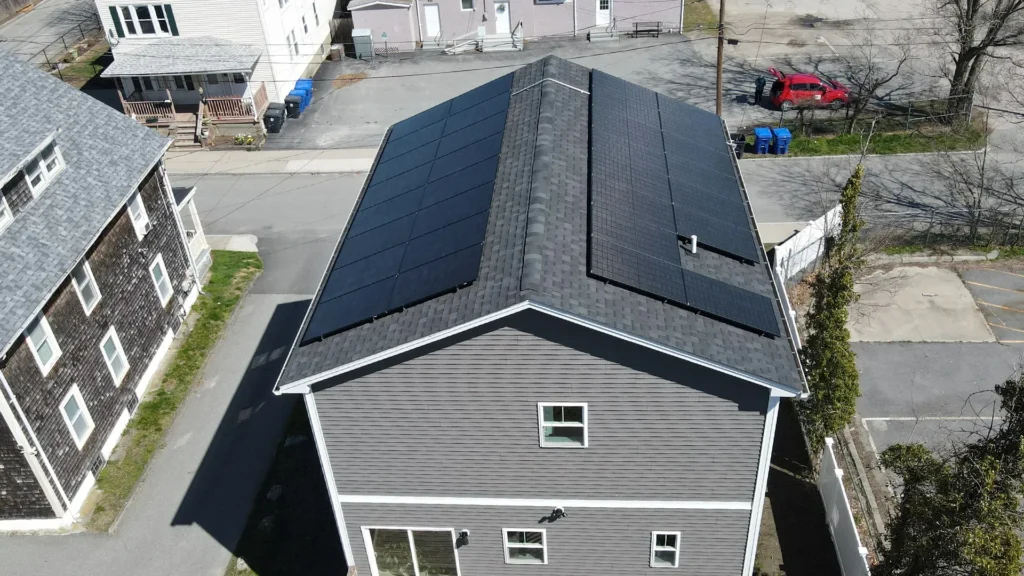
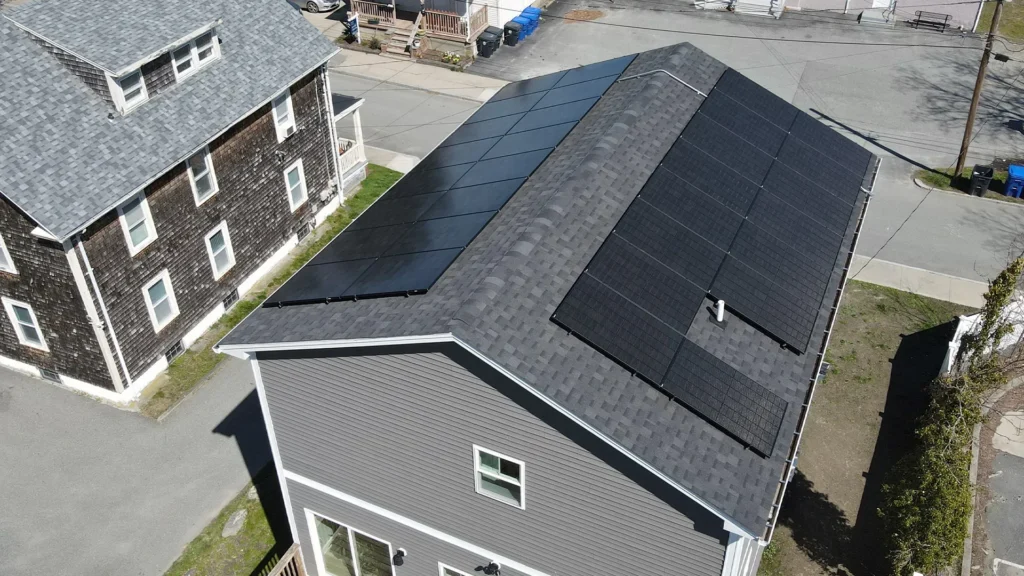
Investing in solar panel installation Rhode Island can significantly reduce your electric bill by harnessing renewable energy from the sun. Monocrystalline solar panels, known for their high efficiency, convert sunlight into electricity that powers your home, reducing reliance on the grid. Excess energy generated can be sent back to the utility grid through net metering, earning you credits that offset your electricity costs during non-sunny periods, increasing your monthly energy savings.
- Solar battery storage options provide backup power and increase energy independence, further boosting your utility bill reduction.
- Federal Investment Tax Credit (ITC) and state incentives lower upfront costs, improving your payback period and overall solar panel return on investment.
- Properly designed solar mounting systems optimize energy production based on roof orientation and shading, maximizing your solar savings electric bill.
By reducing your monthly utility bills and protecting against future utility rate increases, solar installation offers a strong return on investment (ROI) and long-term energy savings that directly impact your electric bill.
Solar Incentives That Boost Your Electric Bill Savings in Massachusetts and Rhode Island
Federal Investment Tax Credit (ITC)
Homeowners in both Massachusetts and Rhode Island qualify for the 30% federal ITC, which directly reduces the cost of solar panel installation by 30% of the system price. This credit applies to equipment and installation costs and is a significant driver of solar ROI and payback period reduction, enhancing your solar savings electric bill. Learn more at the U.S. Department of Energy.
Massachusetts Solar Incentives and Programs
Massachusetts offers several state-specific solar incentives Massachusetts to complement the federal ITC:
- SMART Program (Solar Massachusetts Renewable Target): A performance-based incentive paying solar owners for the electricity their systems generate, enhancing long-term savings and reducing your electric bill.
- State Income Tax Credit: Up to 15% credit on solar installation costs, capped at $1,000.
- Sales Tax Exemption: Solar equipment purchases are exempt from state sales tax.
- Property Tax Exemption: Solar installations are exempt from property tax assessments, preserving home value.
- Net Metering: Massachusetts utilities offer net metering, allowing homeowners to receive credits for excess solar energy sent back to the grid, improving payback periods and kWh savings, which contribute to your solar savings electric bill.
For detailed program information, visit the Massachusetts Clean Energy Center (MassCEC).
Rhode Island Solar Incentives and Programs
Rhode Island supports solar adoption through multiple incentives:
- Renewable Energy Fund Grants: Offers upfront rebates up to $5,000 for residential solar installations, reducing initial costs and increasing your monthly energy savings.
- Sales Tax Exemption: Solar equipment is exempt from state sales tax.
- Net Metering: Rhode Island utilities provide net metering credits, allowing homeowners to offset electricity bills with solar generation, enhancing your solar savings electric bill.
- SREC Market: Solar Renewable Energy Certificates can be sold to utilities, providing additional income streams.
- Federal ITC: The 30% federal tax credit applies here as well.
More information is available at the Rhode Island Office of Energy Resources.
Best Solar Companies for Maximum Electric Bill Savings in Massachusetts, Rhode Island & Connecticut for 2026
Best National Solar Power Companies Operating in New England
- SunPower: Known for high-efficiency monocrystalline solar panels, comprehensive 25-year warranties, and premium service that maximize your solar savings electric bill.
- Tesla Energy: Offers integrated solar and battery storage solutions with sleek design and advanced inverter technology to boost your monthly energy savings.
- Vivint Solar: Provides flexible financing options including solar leases and power purchase agreements (PPAs), with strong customer support to help reduce your electric bill.
- Momentum Solar: National reach with personalized service and competitive pricing focused on increasing your solar panel return on investment.
Recommended Solar Companies in MA, RI, CT
- Sunfinity Power: NABCEP-certified local experts focused on Massachusetts and Rhode Island markets, offering tailored solutions and strong customer service to maximize your solar savings electric bill.
- Revolution Solar: Known for quality installations, community engagement, and adherence to local licensing requirements.
- BlueWave Solar: Regional leader emphasizing customer satisfaction and transparent pricing to enhance your utility bill reduction.
- SunBug Solar: Connecticut-based installer with excellent local reviews and personalized service.
Compare recommended solar companies with a personalized assessment from Sunfinity Power to find the best fit for your home and maximize your solar savings electric bill.
What Separates the Best Solar Companies from the Rest in Delivering Solar Savings Electric Bill Benefits
The best solar power companies distinguish themselves through several key attributes that directly impact your solar savings electric bill:
- NABCEP-certified installers: Ensuring technical expertise and adherence to industry standards.
- Transparent pricing and comprehensive warranties: Including performance, equipment, and workmanship guarantees that protect your investment.
- Local expertise and licensing compliance: Understanding regional climate, permitting, and incentive programs to optimize your electricity cost reduction through solar.
- Flexible solar financing options: Offering loans, leases, and PPAs to fit diverse homeowner needs and improve monthly energy savings.
- Strong customer service and post-installation support: Including system monitoring and maintenance to sustain your utility bill reduction.
- Use of high-quality monocrystalline solar panels and reliable inverters: Maximizing energy efficiency and system longevity for consistent solar savings.
Roofing Considerations Before Solar Panel Installation to Maximize Solar Savings Electric Bill
Before proceeding with solar panel installation Rhode Island or Massachusetts, it’s essential to evaluate your roof’s condition and suitability. Key roofing considerations include:
- Roof age and material: Ensure your roofing contractor confirms the roof can support solar mounting systems and has sufficient lifespan to sustain your solar panel return on investment.
- Roof orientation and tilt: South-facing roofs with optimal tilt angles maximize solar energy production and your solar savings electric bill.
- Shading analysis: Trees, chimneys, or nearby buildings can reduce solar panel efficiency and monthly energy savings.
- Structural integrity: The roof must support the weight of PV systems and mounting hardware safely.
- Permitting and local code compliance: Work with installers familiar with local regulations to avoid delays and ensure timely utility bill reduction.
Solar Financing Options: Loans, Leases, and PPAs to Enhance Your Solar Savings Electric Bill
Understanding your financing options is crucial when selecting the best solar company. Common solar financing methods include:
- Solar loans: Allow homeowners to own their system outright with monthly payments, maximizing long-term savings and eligibility for incentives that improve your solar savings electric bill.
- Solar leases: Pay a fixed monthly fee to use the solar system without ownership, often with little or no upfront cost, providing immediate utility bill reduction.
- Power Purchase Agreements (PPAs): Purchase solar electricity at a set rate, typically lower than utility rates, without owning the system, helping reduce your electricity cost.
Each option has pros and cons related to upfront costs, tax credit eligibility, and long-term ROI. The best solar power companies will help you evaluate these options to find the best fit for your financial goals and maximize your solar savings electric bill.
Real Savings Estimates: What Homeowners Can Expect in Solar Savings Electric Bill
Homeowners in Massachusetts and Rhode Island can expect substantial savings from solar panel installation, influenced by system size, local electricity rates, and incentives:
- Average system size: 6 kW to 10 kW, depending on energy needs and roof space.
- Typical payback period: 6 to 10 years, accelerated by net metering and state incentives, improving your solar panel return on investment.
- Estimated annual savings: $800 to $1,500 on electricity bills, depending on consumption and solar production, contributing to your monthly energy savings.
- Carbon footprint reduction: Solar systems can offset 3 to 5 tons of CO2 annually, contributing to environmental sustainability.
Using a solar savings calculator can provide personalized estimates based on your location, roof characteristics, and energy usage to forecast your solar savings electric bill.
Solar Panel Installation in Rhode Island and Massachusetts: Key Incentives and Programs for Electric Bill Savings
Federal Solar Investment Tax Credit (ITC)
Homeowners in both Massachusetts and Rhode Island qualify for the 30% federal ITC, which directly reduces the cost of solar panel installation by 30% of the system price. This credit applies to equipment and installation costs and is a significant driver of solar ROI and payback period reduction, enhancing your solar savings electric bill. Learn more at the U.S. Department of Energy.
Massachusetts Solar Incentives and Programs
Massachusetts offers several state-specific incentives to complement the federal ITC:
- SMART Program (Solar Massachusetts Renewable Target): A performance-based incentive paying solar owners for the electricity their systems generate, enhancing long-term savings and reducing your electric bill.
- State Income Tax Credit: Up to 15% credit on solar installation costs, capped at $1,000.
- Sales Tax Exemption: Solar equipment purchases are exempt from state sales tax.
- Property Tax Exemption: Solar installations are exempt from property tax assessments, preserving home value.
- Net Metering: Massachusetts utilities offer net metering, allowing homeowners to receive credits for excess solar energy sent back to the grid, improving payback periods and kWh savings, which contribute to your solar savings electric bill.
For detailed program information, visit the Massachusetts Clean Energy Center (MassCEC).
Rhode Island Solar Incentives and Programs
Rhode Island supports solar adoption through multiple incentives:
- Renewable Energy Fund Grants: Offers upfront rebates up to $5,000 for residential solar installations, reducing initial costs and increasing your monthly energy savings.
- Sales Tax Exemption: Solar equipment is exempt from state sales tax.
- Net Metering: Rhode Island utilities provide net metering credits, allowing homeowners to offset electricity bills with solar generation, enhancing your solar savings electric bill.
- SREC Market: Solar Renewable Energy Certificates can be sold to utilities, providing additional income streams.
- Federal ITC: The 30% federal tax credit applies here as well.
More information is available at the Rhode Island Office of Energy Resources.
Solar Company Comparison: Certifications, Financing, and Warranty Overview for Electric Bill Savings
| Company | Service Area | Certifications | Financing Options | Warranty Coverage | Best For |
|---|---|---|---|---|---|
| SunPower | New England, Nationwide | NABCEP Certified, UL Listed Panels | Loan, Lease, PPA, Cash | 25-year panel & inverter, 10-year workmanship | High-efficiency panels, premium service |
| Tesla Energy | New England, Nationwide | NABCEP Certified | Loan, Cash | 25-year panel, 10-year inverter, 10-year workmanship | Integrated solar + battery storage |
| Sunfinity Power | Massachusetts, Rhode Island | NABCEP Certified | Loan, Lease, Cash | 25-year panel, 15-year inverter, 10-year workmanship | Local expertise, strong customer service |
| Revolution Solar | Massachusetts, Rhode Island | NABCEP Certified | Loan, Cash | 25-year panel, 10-year inverter, 10-year workmanship | Community-focused, quality installations |
| Vivint Solar | New England, Nationwide | NABCEP Certified | Lease, PPA, Loan | 25-year panel, 10-year inverter, 10-year workmanship | Flexible financing, customer support |
| Momentum Solar | New England, Nationwide | NABCEP Certified | Loan, Lease, Cash | 25-year panel, 10-year inverter, 10-year workmanship | Personalized service, competitive pricing |
| BlueWave Solar | Massachusetts, Rhode Island | NABCEP Certified | Loan, Cash | 25-year panel, 10-year inverter, 10-year workmanship | Customer satisfaction focus |
| SunBug Solar | Connecticut | NABCEP Certified | Loan, Cash | 20-year panel, 10-year inverter, 5-year workmanship | Local knowledge, personalized service |
How to Choose the Best Solar Company for Your Home in Massachusetts and Rhode Island to Maximize Solar Savings Electric Bill
Choosing the right solar installer is critical to maximizing your investment and ensuring a smooth installation process. Consider the following checklist:
- NABCEP certification and proper state licensing: Ensures technical expertise and compliance with local regulations.
- Years in business and local market experience: Local installers understand regional climate, permitting, and incentive programs that affect your solar savings electric bill.
- Better Business Bureau rating and customer reviews: Reflects company reputation and customer satisfaction.
- Comprehensive warranty terms: Covers equipment, installation, and performance guarantees.
- Flexible financing and payment options: Includes solar loans, leases, PPAs, and cash purchases to optimize your monthly energy savings.
- High-quality equipment brands: Prefer monocrystalline solar panels for higher efficiency and reliable inverter types.
- Clear installation timeline and process: Transparent communication reduces delays and surprises.
- Post-installation support and system monitoring: Ensures ongoing performance and maintenance for sustained utility bill reduction.
- Local service availability and responsiveness: Critical for timely support and warranty claims.
- Transparent pricing and contract terms: Avoid hidden fees and unclear obligations.
- Insurance and bonding coverage: Protects homeowners from liability during installation.
- References from recent local installations: Verify quality and customer experience.
Solar Panel Installation Costs and Pricing Expectations in Massachusetts and Rhode Island for Optimal Solar Savings Electric Bill
Solar installation costs vary based on system size, equipment quality, and company type. National companies often charge premium prices for brand recognition and extensive warranties, while regional and local installers may offer competitive pricing with personalized service. Typical price ranges include:
- National Companies: $20,000 – $30,000, premium monocrystalline panels, extensive warranties.
- Regional Installers: $16,000 – $25,000, strong local knowledge, good warranties.
- Local Contractors: $15,000 – $22,000, personalized service, variable warranties.
Costs are influenced by factors such as inverter type (string inverters, microinverters, or power optimizers), solar battery storage options, and system design tailored to roof orientation and shading to maximize your solar savings electric bill.
Understanding Solar Warranties and Guarantees for Peace of Mind and Solar Savings Electric Bill
Protecting your solar investment requires understanding warranty coverage. The best solar company offers:
- Performance Warranty: Guarantees panel output, typically 25 years, ensuring sustained energy production and consistent utility bill reduction.
- Equipment Warranty: Covers defects in panels and inverters, usually 10-25 years depending on manufacturer.
- Workmanship Warranty: Protects against installation defects, generally 10 years.
Review warranty terms carefully to ensure long-term peace of mind and system reliability that supports your solar savings electric bill.
Red Flags: Solar Companies to Avoid in Massachusetts and Rhode Island
Beware of solar companies exhibiting these warning signs that could jeopardize your solar savings electric bill:
- Lack of proper licensing or NABCEP certification
- Unclear or overly complex contracts
- Pressure tactics or unrealistic savings promises
- Poor or no customer reviews and BBB complaints
- Unwillingness to provide references or detailed proposals
Frequently Asked Questions About Solar Panel Installation in Massachusetts and Rhode Island
How much do solar panels cost in Rhode Island and Massachusetts?
Solar panel installation costs typically range from $15,000 to $30,000 depending on system size, equipment quality, and installer type. National companies tend to charge higher prices for premium equipment and warranties, while regional and local installers offer competitive pricing. Both states benefit from the 30% federal ITC, state incentives, and net metering, which significantly reduce net costs and improve your solar savings electric bill.
What solar incentives are available in Massachusetts and Rhode Island?
Homeowners can take advantage of the 30% federal Investment Tax Credit (ITC), state-specific programs like Massachusetts’ SMART program and Rhode Island’s Renewable Energy Fund grants, sales and property tax exemptions, and net metering policies. Additionally, Rhode Island offers SREC markets for additional income. These incentives improve solar ROI and shorten payback periods, boosting your solar savings electric bill.
How long is the payback period for solar panels in these states?
The typical payback period ranges from 6 to 10 years, depending on system size, electricity rates, incentives, and energy consumption. Net metering and performance-based incentives like SMART in Massachusetts can accelerate payback by increasing kWh savings and reducing utility bills, enhancing your monthly energy savings.
What is net metering and how does it benefit solar homeowners?
Net metering allows solar homeowners to send excess electricity generated back to the grid in exchange for credits on their utility bills. This system effectively reduces monthly energy costs and improves the overall financial return of solar investments by offsetting electricity consumed during non-sunny periods, increasing your solar savings electric bill.
How do I choose the best solar company for my home?
Look for NABCEP-certified installers with strong local experience, transparent pricing, comprehensive warranties, and positive customer reviews. Verify licensing compliance with state authorities like MassCEC and Rhode Island Office of Energy Resources. Consider financing options and post-installation support to ensure a smooth, long-term solar experience that maximizes your solar savings electric bill.
What is NABCEP certification and why is it important?
The North American Board of Certified Energy Practitioners (NABCEP) certification is the gold standard for solar installers, demonstrating verified technical expertise and professionalism. Choosing a NABCEP-certified installer ensures your system is designed and installed to the highest industry standards, reducing risks and improving system performance, which directly benefits your solar savings electric bill.
Solar Company Trends for 2026: What to Expect for Enhanced Solar Savings Electric Bill
- Increased integration of solar battery storage with PV systems to enhance energy independence and backup power, improving your monthly energy savings.
- Growth of community solar projects and shared solar programs expanding access to solar benefits and utility bill reduction.
- Enhanced digital tools for solar savings calculations, system monitoring, and performance optimization to maximize your solar savings electric bill.
- Greater emphasis on local service, rapid response times, and personalized customer experiences.
- Expansion of financing options including green loans, Property Assessed Clean Energy (PACE) programs, and innovative payment plans to support your solar panel return on investment.
How Can You Calculate Your Potential Solar Savings in Massachusetts and Rhode Island?
Estimating personalized solar savings electric bill requires analyzing local electricity rates, system size, panel efficiency, roof orientation, shading, and available incentives. Using an interactive solar savings calculator can help you forecast payback periods and kWh savings accurately, ensuring maximum utility bill reduction.
Key Factors Influencing Solar Savings Calculations
- Local electricity rate (¢/kWh) and utility rate escalation trends
- System capacity (kW) and panel efficiency (monocrystalline vs polycrystalline)
- Roof orientation, shading, and tilt affecting solar production and monthly energy savings
- Available tax credits, rebates, net metering policies, and performance incentives
Steps to Use a Solar Savings Calculator Effectively
- Input your average monthly kWh usage from utility bills
- Select your location (Massachusetts or Rhode Island) for accurate rate and incentive data
- Choose system size based on roof area and energy goals
- Apply federal and state incentives automatically through the calculator
- Review estimated payback period, ROI, and long-term savings to optimize your solar savings electric bill
Local Solar Company Insights and Licensing Requirements
Massachusetts Solar Companies and Licensing
Massachusetts requires solar installers to hold state licenses and comply with local permitting. The state’s strong incentive programs, including the SMART program and tax credits, make it a lucrative market for solar. Top installers like Sunfinity Power and Revolution Solar are NABCEP-certified and well-versed in local regulations, ensuring smooth installations and maximum solar savings electric bill.
Rhode Island Solar Installer Recommendations and Compliance
Rhode Island mandates licensed contractors for solar installations and offers incentives such as Renewable Energy Fund grants and net metering. Leading installers like Sunfinity Power and BlueWave Solar maintain NABCEP certification and local licensing compliance, providing expert guidance and reliable service to maximize your utility bill reduction.
Connecticut Solar Company Overview
Connecticut requires licensed contractors and offers net metering and state incentives. Local companies such as SunBug Solar excel in personalized service and community reputation, with NABCEP-certified installers ensuring quality and compliance that support your solar savings electric bill.
Ready to Choose the Best Solar Company for Your Home?
Take control of your energy future with a trusted, NABCEP-certified solar installer. Schedule your free consultation today to receive personalized quotes, expert guidance, and a seamless solar installation process from roof assessment to system activation, maximizing your solar savings electric bill through the best solar company and available solar incentives.
Start Saving on Your Electric Bill Today
Discover how partnering with the best solar company and leveraging top solar incentives can transform your monthly energy expenses. Get your free solar savings estimate now and take the first step toward significant solar savings electric bill benefits.