
Community Solar vs. Rooftop Solar: Which Is Right for You?

Community vs Rooftop Solar in New England: Energy Savings & Home Value
As homeowners in New England increasingly seek sustainable and cost-effective energy solutions, the choice between community solar and rooftop solar has become a pivotal decision. Community solar allows multiple participants to benefit from a shared solar installation, providing access to renewable energy without the need for physical panels on their property. Rooftop solar, on the other hand, offers a personalized approach by installing solar panels directly on a homeowner’s roof, enabling greater energy independence and potential savings. This article explores the nuances of community solar vs rooftop solar, detailing their benefits, costs, eligibility, and suitability for homeowners in Massachusetts, Rhode Island, and Connecticut. By the end, you will have a comprehensive understanding of which solar solution aligns best with your lifestyle, financial goals, and environmental values.
We will examine how community solar programs operate in New England, the eligibility criteria for participation, and the installation considerations for rooftop solar. Additionally, we provide a detailed comparison of the pros and cons of each option, highlight state-specific community solar programs including the Massachusetts SMART program and Rhode Island community solar initiatives, and discuss how personalized solar savings reports can guide your investment decisions effectively.
What Is Community Solar? How New England Programs Work
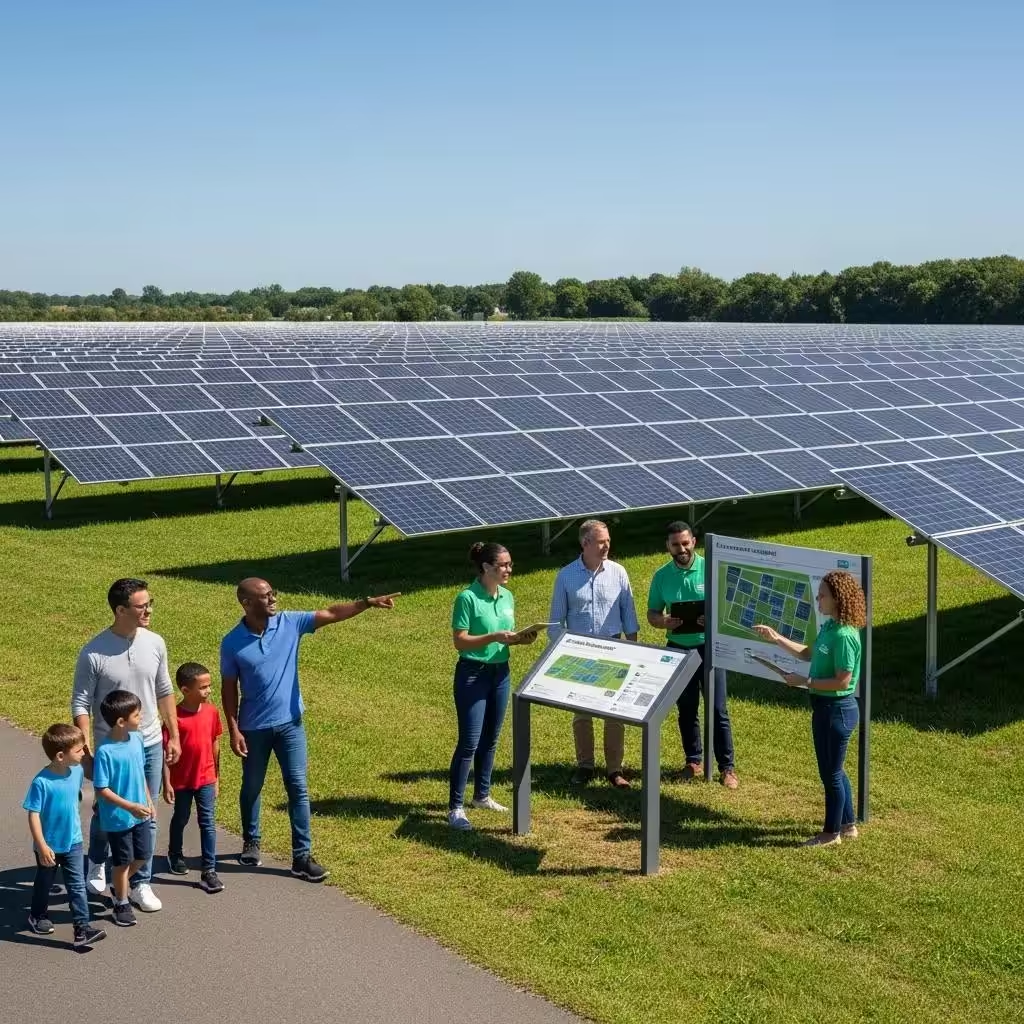
Community solar refers to a shared solar power installation, often called a solar garden or shared solar, that allows multiple participants to benefit from the energy produced by a single, centralized solar array. In New England, these installations are typically located on unused land or large rooftops, and participants receive utility bill credits proportional to their share of the energy generated through virtual net metering. This model promotes renewable energy access for a broader audience, including those who cannot install solar panels on their own properties due to roof limitations, ownership status, or financial constraints.
Community solar projects are often developed through local initiatives and utility partnerships, such as Eversource community solar and National Grid community solar programs, fostering community engagement and supporting regional sustainability goals. By subscribing to a community solar subscription, homeowners can enjoy the environmental and financial benefits of solar energy without the upfront costs and maintenance responsibilities associated with rooftop solar ownership.
Research highlights the significant advantages of community solar, including expanded access to renewable energy and enhanced community involvement in sustainable practices.
Community Solar Benefits: Access, Scale, & Engagement
Community solar is a growing movement that offers significant benefits over individual residential solar development. In addition to economies of scale, such projects expand access to individuals who would otherwise be unable to benefit from solar energy and offer increased engagement in electricity generation. Despite these benefits, further research is needed to fully understand the financial viability and participant motivations.
Financial and Social Implications of Community Solar in New England
Community Solar vs. Rooftop Solar: Key Differences
Community solar vs rooftop solar presents distinct options for homeowners in Rhode Island, Massachusetts, and Connecticut. Understanding these differences is essential for making an informed choice:
- Community Solar Subscription: Participants subscribe to a portion of a shared solar array, receiving utility bill credits without installing panels on their property.
- Rooftop Solar Ownership: Homeowners install solar panels directly on their roofs, gaining full control over energy production and consumption.
- Installation Requirements: Community solar requires no physical installation at the subscriber’s home, while rooftop solar involves solar panel installation and potential roof modifications.
- Financial Structure: Community solar typically involves subscription fees and virtual net metering credits, whereas rooftop solar requires upfront investment or financing options.
- Eligibility and Availability: Community solar Rhode Island and other New England programs often have broader eligibility, including renters and low-income households, while rooftop solar requires suitable roof conditions and ownership.
These key differences highlight the importance of evaluating your property, financial situation, and energy goals when choosing between community solar vs rooftop solar.
| Aspect | Community Solar | Rooftop Solar |
|---|---|---|
| Upfront Cost | Low or no upfront cost; subscription-based payments | Higher upfront investment; financing options available |
| Savings Potential | Utility bill credits via virtual net metering; savings depend on subscription size | Direct reduction in electricity bills; potential for greater long-term savings |
| Eligibility | Broad eligibility including renters and low-income households; community solar Rhode Island programs emphasize access | Requires roof ownership and suitable conditions |
| Installation Required | No installation at home; solar array maintained by project operator | Solar panel installation on roof; homeowner responsible for maintenance |
| Contract Terms | Subscription agreements with flexible terms | Ownership or lease agreements; long-term commitment |
| Availability in RI/MA/CT | Widely available through programs like Massachusetts SMART program, Rhode Island community solar, and Connecticut community solar | Available where roof conditions and ownership permit; incentives vary by state |
Community Solar Programs in Rhode Island, Massachusetts & Connecticut
New England states have developed robust community solar programs to expand access to renewable energy. Key programs include:
- Massachusetts: The SMART (Solar Massachusetts Renewable Target) program incentivizes community solar projects by providing performance-based payments. Subscribers receive utility bill credits, making solar accessible to renters and homeowners alike.
- Rhode Island: The Renewable Energy Growth (REG) program supports community solar development, offering net metering credits and financial incentives to participants. Rhode Island community solar initiatives emphasize solar capacity allocation and low-income solar access to promote equitable participation.
- Connecticut: The Residential Solar Investment Program (RSIP) includes community solar components, providing rebates and bill credits to subscribers. The program aims to increase solar adoption across diverse communities.
These programs are designed to lower barriers to solar adoption, promote local clean energy, and provide financial benefits to participants. Homeowners and renters interested in community solar can explore these options to find programs that best fit their needs.
Which Saves More: Community Solar Subscription vs. Owned Solar System?
When evaluating savings, it is important to compare community solar subscription benefits with those of an owned rooftop solar system:
- Community Solar Subscription Savings: Subscribers receive utility bill credits based on their share of the solar array’s production, reducing monthly energy costs without installation or maintenance expenses.
- Owned Rooftop Solar Savings: Homeowners benefit from direct electricity generation, potential state incentives, and increased home value, but must consider upfront costs and maintenance.
- Financial Incentives: Both options benefit from state and local incentives, but rooftop solar ownership may qualify for additional tax credits and rebates.
- Long-Term Value: Rooftop solar can offer greater long-term savings and energy independence, while community solar provides flexibility and lower entry barriers.
Ultimately, the best choice depends on your financial situation, property characteristics, and energy goals.
What Constitutes Community Solar and How Does It Operate in New England?
Community solar refers to a shared solar power installation that allows multiple participants to benefit from the energy produced by a single, centralized solar array. In New England, these installations are typically located on unused land or large rooftops, and participants receive credits on their electricity bills proportional to their share of the energy generated. This model promotes renewable energy access for a broader audience, including those who cannot install solar panels on their own properties due to roof limitations, ownership status, or financial constraints.
Community solar projects are often developed through local initiatives and utility partnerships, fostering community engagement and supporting regional sustainability goals. By subscribing to a community solar program, homeowners can enjoy the environmental and financial benefits of solar energy without the upfront costs and maintenance responsibilities associated with rooftop solar.
Research highlights the significant advantages of community solar, including expanded access to renewable energy and enhanced community involvement in sustainable practices.
Community Solar Benefits: Access, Scale, & Engagement
Community solar is a growing movement that offers significant benefits over individual residential solar development. In addition to economies of scale, such projects expand access to individuals who would otherwise be unable to benefit from solar energy and offer increased engagement in electricity generation. Despite these benefits, further research is needed to fully understand the financial viability and participant motivations.
Financial and Social Implications of Community Solar in New England
How Do Community Solar Programs Provide Renewable Energy Access to Homeowners?
Community solar programs are designed to democratize access to renewable energy, especially for homeowners and renters who face barriers to installing solar panels on their own properties. These programs allow participants to subscribe to a portion of a community solar project and receive credits on their utility bills for the energy produced by their share.
This model is particularly beneficial for urban residents, renters, and those with unsuitable roofs, enabling them to participate in clean energy initiatives without physical installation.
Community Solar for Renters & Urban Homeowners
Urban areas with high renter populations are well suited for community solar projects, where credits from a large remote installation are offered on a subscription basis to residents or businesses. This approach overcomes common barriers to solar adoption in cities.
Community Solar and Community Solar+ Storage: Barriers and Solutions for Commercial Systems
- Shared Solar Installations: Participants benefit from a collective solar array, generating significant energy savings through economies of scale.
- Electricity Bill Credits: Homeowners and renters receive credits on their utility bills proportional to their subscription, reducing overall energy costs.
- Support for Local Renewable Energy: Community solar initiatives often prioritize local energy production, contributing to regional sustainability and economic development.
For homeowners in Massachusetts, Rhode Island, and Connecticut, community solar offers a practical and affordable pathway to renewable energy without the upfront costs and maintenance of rooftop solar. Sunfinity Power provides resources to help homeowners understand their options and navigate the community solar landscape effectively.
Which Eligibility Criteria Govern Participation in New England's Community Solar Initiatives?
Participation in community solar programs typically requires meeting specific eligibility criteria, which can vary by state and program. Common requirements include:
- Residency or Property Ownership: Participants must usually be residents or property owners within the utility service area offering the community solar program.
- Subscription Limits: Programs may limit the size of subscriptions based on household energy usage or program capacity.
- Income Considerations: Some community solar projects prioritize low-to-moderate income households to promote equitable access.
- Renters and Non-Owners: Many programs allow renters to participate with the property owner’s consent or through specific renter-friendly options.
Understanding these criteria is essential for homeowners and renters interested in community solar, as it influences their ability to participate and benefit from these programs.
What Defines Rooftop Solar and What Are Its Installation Considerations?
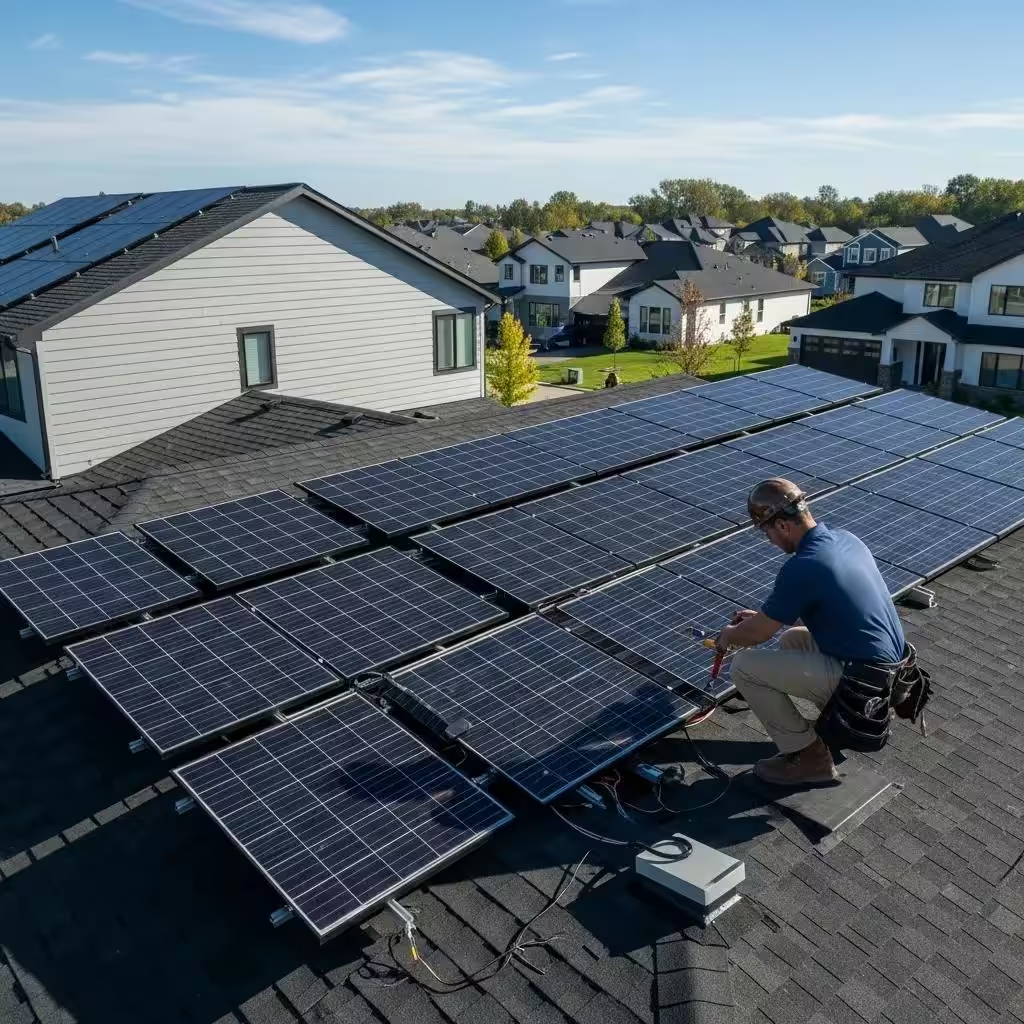
Rooftop solar involves installing solar panels directly on a homeowner’s roof, enabling them to generate electricity onsite. This option offers a high degree of energy independence, potential long-term savings, and can increase property value. However, several installation considerations must be addressed to ensure optimal performance and durability:
- Types of Solar Panels: Homeowners can select from monocrystalline, polycrystalline, and thin-film panels, each varying in efficiency, aesthetics, and cost.
- Energy Needs Assessment: A detailed evaluation of household energy consumption helps determine the appropriate system size and configuration.
- Roof Characteristics: The roof’s orientation, pitch, shading, and structural condition significantly impact solar panel efficiency and installation feasibility.
Rooftop solar systems can be customized to meet individual energy needs, making them a popular choice for homeowners seeking maximum control over their energy production and consumption.
What Are the Essential Roof Replacement Requirements for Optimal Rooftop Solar Installation?
Before installing rooftop solar panels, it is critical to ensure the roof is in suitable condition to support the system safely and effectively. Essential requirements include:
- Professional Roof Assessment: A thorough inspection to evaluate the roof’s age, condition, and any necessary repairs or replacements.
- Structural Integrity: The roof must be capable of supporting the additional weight of solar panels and mounting hardware, as well as withstand local weather conditions.
- Material Compatibility: Roofing materials should be compatible with solar installation methods to avoid damage and ensure secure attachment.
Sunfinity Power offers comprehensive roof replacement services to prepare homes for optimal solar installations. Their solar discovery calls and savings reports provide valuable insights to help homeowners plan effectively.
How Do Installation Costs and Financing Options Influence Rooftop Solar Adoption?
The cost of rooftop solar installations varies based on system size, panel type, and installation complexity. Key financial considerations include:
- Upfront Installation Costs: Initial expenses for equipment and labor can be significant, which may deter some homeowners.
- Financing Solutions: Options such as solar loans, leases, and power purchase agreements (PPAs) can reduce upfront costs and make solar more accessible.
- State and Local Incentives: Incentives offered by Massachusetts, Rhode Island, and Connecticut can substantially lower the net cost of rooftop solar installations.
Understanding these financial factors is crucial for homeowners evaluating rooftop solar, as they directly impact the return on investment and payback period.
Residential Rooftop Solar: Incentives & Payback Periods
Residential solar installations represent a significant portion of rooftop solar capacity potential. State-level policies have evolved to support incentive-based programs that reduce payback periods to under 10 years, encouraging broader adoption and third-party leasing options.
A multidisciplinary analysis of state-level residential solar programs in New Jersey and Massachusetts
Detailed Comparison: Community Solar vs. Rooftop Solar – Pros and Cons
Choosing between community solar and rooftop solar requires understanding the distinct advantages and limitations of each option. Below is a detailed comparison to help guide your decision:
| Aspect | Community Solar | Rooftop Solar |
|---|---|---|
| Accessibility | Ideal for renters, those with unsuitable roofs, or limited upfront capital. No physical installation required. | Requires suitable roof space and ownership. Not accessible to renters or those with shaded or structurally weak roofs. |
| Upfront Costs | Typically low or no upfront costs; subscription-based payments. | Higher upfront investment for equipment and installation, though financing options are available. |
| Energy Independence | Limited control over energy production; depends on shared system performance. | Full control over energy generation and consumption; potential for energy storage integration. |
| Maintenance | Maintenance and repairs handled by the project operator. | Homeowner responsible for maintenance and potential repairs. |
| Financial Benefits | Bill credits reduce electricity costs; savings depend on subscription size and program terms. | Direct reduction in electricity bills; potential increase in home value and eligibility for state incentives. |
| Environmental Impact | Supports local renewable energy generation and community engagement. | Reduces household carbon footprint through onsite clean energy production. |
Community Solar Programs Available in Massachusetts, Rhode Island, and Connecticut
New England states have developed robust community solar programs to expand access to renewable energy. Key programs include:
- Massachusetts: The SMART (Solar Massachusetts Renewable Target) program incentivizes community solar projects by providing performance-based payments. Subscribers receive credits on their utility bills, making solar accessible to renters and homeowners alike.
- Rhode Island: The Renewable Energy Growth (REG) program supports community solar development, offering net metering credits and financial incentives to participants. The program encourages equitable access, including options for low-income households.
- Connecticut: The Residential Solar Investment Program (RSIP) includes community solar components, providing rebates and bill credits to subscribers. The program aims to increase solar adoption across diverse communities.
These programs are designed to lower barriers to solar adoption, promote local clean energy, and provide financial benefits to participants. Homeowners and renters interested in community solar can explore these options to find programs that best fit their needs.
Frequently Asked Questions About Community Solar
What is community solar?
Community solar is a shared solar power system where multiple participants subscribe to a portion of the energy produced by a centralized solar installation. Subscribers receive credits on their electricity bills based on their share of the energy generated, allowing them to benefit from solar power without installing panels on their own property.
How do I join a community solar program in Massachusetts or Rhode Island?
To join a community solar program in Massachusetts or Rhode Island, you typically need to find a local community solar project accepting subscribers within your utility service area. You can sign up through program websites, solar providers, or utility companies. Eligibility requirements and subscription terms vary, so it’s important to review program details carefully.
Can renters use community solar?
Yes, renters can participate in community solar programs since no physical installation on their property is required. Many programs are designed to be renter-friendly, allowing subscribers to receive bill credits for their share of the solar energy produced.
Is community solar cheaper than rooftop solar?
Community solar often has lower or no upfront costs compared to rooftop solar, making it more accessible for many households. However, rooftop solar can offer greater long-term savings and energy independence. The cost-effectiveness depends on individual circumstances, including energy usage, local incentives, and program terms.
How do community solar credits work?
Community solar credits are applied to your electricity bill based on the amount of energy your subscribed portion of the solar array produces. These credits reduce your overall electricity charges, effectively lowering your energy costs without the need for onsite solar panels.
How Do Community Solar and Rooftop Solar Compare in Terms of Benefits and Drawbacks?
When comparing community solar and rooftop solar, several benefits and drawbacks emerge for each option:
- Accessibility of Community Solar: Community solar is ideal for those who cannot install panels on their roofs, providing a shared solution that benefits multiple participants.
- Energy Independence with Rooftop Solar: Rooftop solar offers homeowners greater control over their energy production and consumption, leading to potential long-term savings.
- Cost Savings: Both options can lead to reduced energy costs, but the initial investment and ongoing maintenance differ significantly.
Ultimately, the choice between community solar and rooftop solar will depend on individual circumstances, including property type, financial considerations, and personal preferences.
What Are the Distinct Energy Savings and Home Value Enhancements Offered by Each Solar Option?
Both community solar and rooftop solar can enhance energy savings and increase home value, albeit in different ways:
- Energy Savings from Solar Panels: Rooftop solar systems can lead to substantial reductions in electricity bills, with some homeowners achieving savings of up to 50%.
- Home Value Increases: Properties equipped with solar energy systems often see an increase in market value, making them more attractive to potential buyers.
- Marketability of Solar-Equipped Homes: Homes with solar installations are increasingly sought after, as buyers recognize the long-term savings and environmental benefits.
Understanding these factors can help homeowners make informed decisions about their solar investments.
Which Solar Solution Aligns Best with Discerning Homeowners’ Lifestyle and Investment Goals?
Choosing the right solar solution involves considering personal lifestyle and investment goals. Homeowners should evaluate:
- Custom-Designed Solar Systems: Rooftop solar allows for tailored systems that meet specific energy needs and preferences.
- Energy-Efficient Appliances: Integrating solar with energy-efficient appliances can maximize savings and enhance overall sustainability.
- Regular Performance Monitoring: Homeowners should consider systems that offer monitoring capabilities to track energy production and savings over time.
By aligning solar solutions with individual goals, homeowners can optimize their investments and contribute to a more sustainable future.
What Solar Incentives and Programs Are Available in Rhode Island, Massachusetts, and Connecticut?
Homeowners in Rhode Island, Massachusetts, and Connecticut can take advantage of various solar incentives and programs designed to promote renewable energy adoption. Key incentives include:
- Rhode Island Incentives: The state offers a renewable energy fund and net metering programs to support solar installations.
- Massachusetts Incentives: Homeowners can benefit from the Solar Massachusetts Renewable Target (SMART) program, which provides financial incentives based on energy production.
- Connecticut Incentives: The state offers a residential solar investment program that includes rebates and tax credits for solar installations.
These incentives can significantly reduce the financial burden of solar investments, making renewable energy more accessible to homeowners.
How Do State-Specific Solar Tax Credits and Rebates Enhance Solar Affordability?
State-specific solar tax credits and rebates play a crucial role in enhancing solar affordability for homeowners. Key benefits include:
- Reduction of Upfront Costs: Tax credits can offset a significant portion of installation costs, making solar more financially viable.
- Performance-Based Incentives: Some states offer incentives based on the actual energy produced by solar systems, providing ongoing financial benefits.
- Net Metering Benefits: Homeowners can receive credits for excess energy produced, further reducing their electricity bills.
These financial mechanisms are essential for making solar energy a practical option for many homeowners.
What Are the Latest Updates on Community Solar Programs Across New England States?
Community solar programs in New England are continually evolving, with developments aimed at expanding access and participation. Key updates include:
- New Community Solar Projects: Increasing availability of shared solar options for homeowners and renters.
- Program Enhancements: States are improving program structures to simplify participation and increase benefits.
- Growing Homeowner Participation: Enhanced education and outreach are driving higher subscription rates.
Staying informed about these updates can help homeowners take advantage of new opportunities in the community solar landscape.
How Can Personalized Solar Savings Reports and Discovery Calls Guide Your Solar Investment?
Personalized solar savings reports and discovery calls are valuable tools for homeowners considering solar investments. These resources provide:
- Tailored Insights: Homeowners receive customized reports that outline potential savings and system performance based on their specific energy needs.
- Energy Needs Assessment: Discovery calls help homeowners understand their energy consumption patterns and how solar can meet their requirements.
- Financial Outcomes: By analyzing potential savings and available incentives, homeowners can make informed decisions about their solar investments.
To further assist you in this process, Sunfinity Power offers solar savings reports to assist homeowners in navigating their solar options effectively, ensuring they make the best choices for their energy future.
What Insights Do Solar Savings Reports Provide Regarding Energy Cost Reduction?
Solar savings reports offer critical insights into how solar energy can reduce overall energy costs for homeowners. Key findings typically include:
- Potential Financial Benefits: Reports outline estimated savings based on current energy rates and projected solar production.
- Evaluation of Energy Usage: Homeowners can assess their energy consumption patterns and identify opportunities for savings.
- Maximizing Savings: By understanding the financial implications of solar investments, homeowners can optimize their systems for maximum efficiency.
These insights are essential for homeowners looking to make informed decisions about their energy future.
How Does a Solar Discovery Call Facilitate Bespoke Solar Solutions for Your Home?
A solar discovery call is an essential step in the process of selecting the right solar solution for your home. During this call, homeowners can expect:
- Initial Consultation: A discussion about energy needs, preferences, and goals to determine the best solar options.
- Customized Solutions: Based on the consultation, tailored recommendations for solar systems that align with the homeowner’s requirements.
- Proposal Outlining Options: Homeowners receive a detailed proposal that outlines potential systems, costs, and savings.
To schedule your own, initiate a solar discovery call. This personalized approach ensures that homeowners can make informed decisions about their solar investments, leading to optimal energy solutions for their homes.
Ready to Choose Between Community Solar vs Rooftop Solar in New England?
Whether you’re considering a community solar subscription or rooftop solar ownership, Sunfinity Power offers expert guidance and tailored solar solutions for homeowners in Rhode Island, Massachusetts, and Connecticut. Discover how you can maximize your energy savings and increase your home’s value with our comprehensive solar services.