
Types of Solar Panels: Which One Is Right for Your Home?
Types of Solar Panels: Monocrystalline, Polycrystalline & Thin-Film Explained
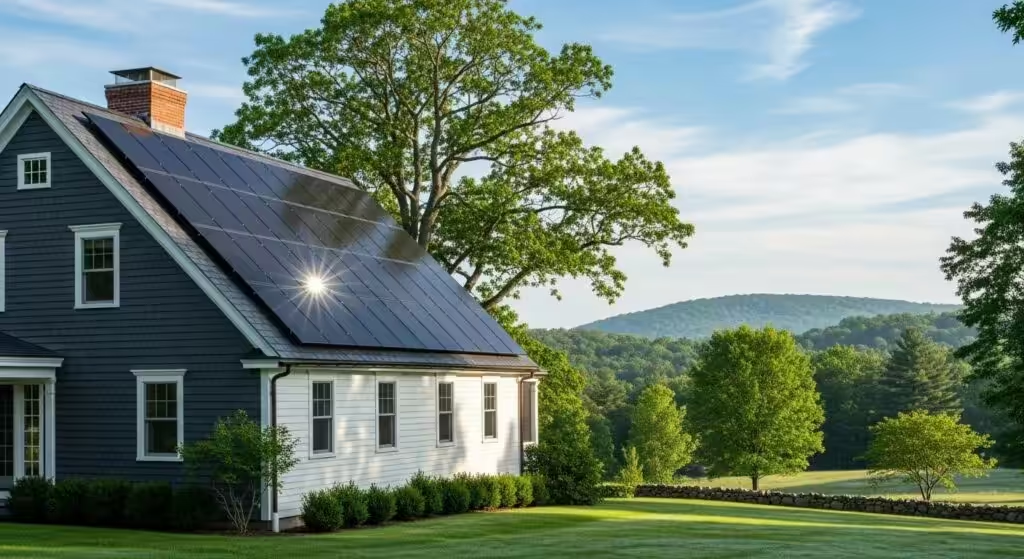
The three main types of solar panels — monocrystalline, polycrystalline, and thin-film — differ in efficiency, cost, lifespan, and how well they perform in New England’s climate. For most RI, MA, and CT homes, high-efficiency monocrystalline panels are the right call given limited roof space and our cold, variable, lower-light winters. Here’s how each type compares so you can choose with confidence.
Solar Panel Types Comparison
Quick comparison (installed cost per watt): Monocrystalline — 20–22% efficiency, ~$2.50–$4.00/W, 25–30 yr life, best for limited roof space and long-term value. Polycrystalline — 15–17%, ~$1.80–$2.80/W, 20–25 yr, best for larger roofs on a tighter budget. Thin-film — 10–13%, ~$1.00–$2.00/W, 10–20 yr, best for unconventional roofs and lowest upfront cost (rare for NE homes).
How to Choose the Right Solar Panel for Your Home
Assessing Your Roof Size and Orientation
Understanding your roof’s size, shape, and orientation is critical. South-facing roofs with minimal shading maximize solar exposure, while larger roofs can accommodate more panels, allowing for different panel types depending on space and budget.
Budget and Energy Needs
Consider your household’s energy consumption in kilowatt-hours (kWh) and your budget. Higher efficiency panels like monocrystalline may cost more upfront but save more over time, while polycrystalline and thin-film panels offer lower initial costs. Evaluating solar panel cost alongside your energy needs helps optimize your investment.
Local Climate and Aesthetic Preferences
Climate impacts panel performance; some panels perform better in low-light or cold conditions. Aesthetic preferences, such as panel color and appearance, also influence your choice. Additionally, review warranty terms, including product and performance warranties, to ensure long-term reliability.
Monocrystalline Solar Panels
Manufacturing and Technology
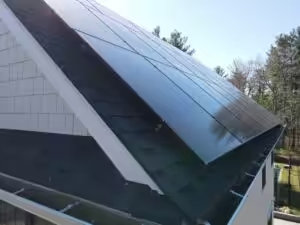
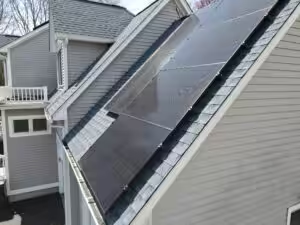
Monocrystalline solar panels are made from single-crystal silicon ingots produced using the Czochralski method, which involves slowly pulling a single silicon crystal from molten silicon. This process creates a uniform crystal structure that enhances electron flow, resulting in higher efficiency. The panels have a distinctive black appearance due to the purity of the silicon wafers.
Efficiency and Performance
These panels typically achieve efficiency ratings between 20% and 23%, with some advanced models reaching the upper end of this range. According to real-world performance data from the National Renewable Energy Laboratory (NREL), monocrystalline panels maintain high efficiency even under less-than-ideal conditions, such as partial shading or lower light levels. Their temperature coefficient, typically around -0.35%/°C, means they lose less efficiency as temperatures rise compared to other panel types, making them well-suited for a variety of climates including New England’s variable weather.
When comparing monocrystalline vs polycrystalline solar panels, monocrystalline generally offers superior solar panel efficiency and better performance in low-light conditions, which is critical for maximizing energy production in areas with shorter daylight hours or frequent cloud cover.
Cost and Lifespan
Monocrystalline panels tend to have a higher cost per watt, typically ranging from $2.50 to $4.00, reflecting their advanced manufacturing process and higher efficiency. However, their longer lifespan of 25 to 30 years and higher energy yield often result in better long-term value for homeowners.
Advanced Variants and Leading Brands
PERC (Passivated Emitter and Rear Cell) technology is a subtype of monocrystalline panels that adds a passivation layer on the rear surface, improving light capture and efficiency by up to 1%. Leading manufacturers of monocrystalline panels include SunPower, LG, REC, and Panasonic, known for their high-quality, durable products. For example, SunPower’s Maxeon series is renowned for its high efficiency and excellent performance in cold climates, making it a popular choice for New England homeowners.
Polycrystalline Solar Panels
Composition and Appearance
Polycrystalline solar panels are made from multiple silicon fragments melted together, resulting in a blue speckled appearance. This manufacturing process is less complex and less costly than monocrystalline production, which is reflected in their price.
Efficiency and Cost
Polycrystalline panels typically have efficiency ratings between 15% and 17%, with a temperature coefficient around -0.45%/°C, meaning they experience slightly more efficiency loss at higher temperatures compared to monocrystalline panels. According to NREL data, polycrystalline panels perform well in direct sunlight but are less efficient in low-light or shaded conditions.
They are more affordable, with costs ranging from $1.80 to $2.80 per watt, making them attractive for budget-conscious homeowners. When considering solar panel cost, polycrystalline panels offer a balance between price and performance, especially for homes with ample roof space.
Ideal Use Cases
Due to their lower efficiency, polycrystalline panels require a larger footprint to generate the same power as monocrystalline panels. They are best suited for homes with ample roof space and those prioritizing upfront cost savings over maximum efficiency. Brands like Canadian Solar and Trina Solar offer reliable polycrystalline options with solid warranties.
Thin-Film Solar Panels
Types and Materials
Thin-film solar panels use a variety of materials, including amorphous silicon (a-Si), cadmium telluride (CdTe), and copper indium gallium selenide (CIGS). These panels are lightweight and flexible, allowing installation on unconventional surfaces such as curved roofs or building-integrated photovoltaics.
Efficiency and Cost
Thin-film panels have the lowest efficiency ratings, typically between 10% and 13%, and a temperature coefficient around -0.25%/°C, which means they perform relatively better in high temperatures compared to crystalline panels. Their cost per watt ranges from $1.00 to $2.00, making them the most affordable option upfront. However, their shorter lifespan of 10 to 20 years and lower efficiency mean they are less common for residential use in New England.
Manufacturers and Applications
First Solar is a leading manufacturer of CdTe thin-film panels, often used in large-scale commercial projects or where traditional panels are impractical due to weight or shape constraints. Thin-film technology is also favored for specialized applications such as solar windows or flexible solar products.
Advanced Solar Panel Technologies
Bifacial Solar Panels
Bifacial panels capture sunlight on both the front and back sides, increasing energy production by 10% to 20% depending on installation conditions. They are ideal for installations with reflective surfaces such as white roofs or snow-covered ground, which are common in New England winters.
PERC Solar Panels
PERC technology adds a passivation layer on the rear of monocrystalline cells, reducing electron recombination and improving efficiency by up to 1%. This technology enhances energy yield without significantly increasing costs.
Half-Cut Cell Technology
Half-cut cells reduce resistance losses by splitting standard cells into two smaller cells, improving panel efficiency and durability. This technology is often combined with monocrystalline and PERC panels for enhanced performance.
Best Solar Panels for New England Weather
New England’s climate, including Rhode Island, Massachusetts, and Connecticut, presents unique challenges for solar energy production. Winters are cold with snow accumulation, and the region experiences frequent cloudy days. On average, New England receives about 4 to 4.5 peak sun hours per day, which is lower than sunnier regions but still sufficient for effective solar power generation.
Monocrystalline panels, especially those with PERC technology, perform best in these conditions due to their high efficiency and better low-light performance. Their favorable temperature coefficients also mean they maintain output better during cold weather. Bifacial panels can further enhance winter energy production by capturing reflected sunlight from snow-covered surfaces.
Top-performing panel brands for New England’s climate include:
- SunPower Maxeon: Known for industry-leading efficiency and durability, with excellent performance in low-light and cold conditions.
- REC Alpha: Offers high efficiency and robust build quality, optimized for variable weather.
- Panasonic EverVolt: Combines high efficiency with strong temperature resilience, ideal for snowy and cold environments.
Choosing panels from these manufacturers can help maximize energy production and return on investment in New England’s challenging weather.
Solar Panel Comparison: Which Type Is Best?
| Panel Type | Efficiency | Cost per Watt | Lifespan | Ideal Use Case | Warranty Length |
|---|---|---|---|---|---|
| Monocrystalline | 20% – 23% | $2.50 – $4.00 | 25 – 30 years | Limited roof space, high efficiency needs, long-term investment | 25 years product, 25+ years performance |
| Polycrystalline | 15% – 17% | $1.80 – $2.80 | 20 – 25 years | Budget-conscious, large roof areas | 10-15 years product, 20 years performance |
| Thin-Film | 10% – 13% | $1.00 – $2.00 | 10 – 20 years | Flexible installations, unconventional roofs, lowest upfront cost | 5-10 years product, 10-15 years performance |
Understanding Solar Panel Efficiency Ratings
Solar panel efficiency is a key metric that indicates how effectively a panel converts sunlight into usable electricity. For example, a panel with 20% efficiency converts 20% of the sunlight it receives into electrical energy, while the remaining 80% is lost as heat or reflected light. This means that higher efficiency panels generate more power from the same amount of sunlight, which is especially important for homes with limited roof space.
Panel output is typically measured in watts (W) or kilowatts (kW), which represent the power the panel can produce under standard test conditions. A common residential solar panel might be rated around 400 watts, meaning it can produce 400 watts of power at peak sunlight. For a typical home, a 400W panel can contribute significantly to daily energy needs, especially when multiple panels are installed.
Temperature also affects solar panel efficiency. Most panels have a temperature coefficient that indicates how much their output decreases as the temperature rises. For instance, a temperature coefficient of -0.35%/°C means the panel loses 0.35% of its efficiency for every degree Celsius above 25°C (77°F). Panels with better temperature coefficients lose less power in hot weather, which is beneficial during warm summer months. This factor is important for New England homeowners who experience a wide range of temperatures throughout the year.
Solar Panel Installation Considerations for New England Roofs
Installing solar panels in Rhode Island, Massachusetts, and Connecticut requires attention to several local factors to maximize energy production and ensure system durability.
Roof Pitch and Orientation
The ideal roof pitch angle for solar panels in New England typically ranges from 30 to 45 degrees. This angle helps optimize solar exposure during the winter months when the sun is lower in the sky, improving energy capture during shorter daylight hours. South-facing roofs are preferred because they receive the most direct sunlight throughout the day. However, east- or west-facing roofs can also be viable, though they may produce slightly less energy.
Structural Load and Snow Considerations
New England winters bring snow accumulation, so it’s important to consider the structural load capacity of your roof. Solar panels add approximately 3 to 4 pounds per square foot to the roof load. Most residential roofs are designed to handle this additional weight, but a professional structural assessment is recommended to ensure safety and compliance with local building codes. Proper installation also includes snow-shedding features to prevent excessive buildup on panels.
Installation Timeline
Typical solar panel installation projects in New England take between a few days to a few weeks, depending on system size, roof complexity, and permitting processes. Homeowners should plan for site assessment, design, permitting, installation, and final inspection phases. Working with experienced local installers can help streamline this process and address any region-specific challenges.
How to Choose the Right Panel for Your New England Home
Choosing the right solar panel for your home in Rhode Island, Massachusetts, or Connecticut involves several key considerations:
- Available Roof Space: Limited roof space favors high-efficiency monocrystalline panels to maximize energy output per square foot.
- Budget: Determine your upfront budget and long-term savings goals. Polycrystalline panels offer a cost-effective solution for larger roofs, while monocrystalline panels provide better efficiency for higher initial investment.
- Shading Conditions: Assess shading from trees, chimneys, or neighboring buildings. Panels with better low-light performance, like monocrystalline or PERC variants, are preferable in shaded areas.
- Local Climate: Consider New England’s cold winters, snow, and cloud cover. Panels with strong temperature coefficients and snow-shedding capabilities, such as SunPower Maxeon or Panasonic EverVolt, are ideal.
- HOA Restrictions: Check with your Homeowners Association for any aesthetic or installation guidelines that may affect panel choice or placement.
Consulting with a professional installer familiar with New England’s climate and regulations can help tailor the best solar solution for your home.
Expertise, Experience, Authority, and Trust (E-E-A-T) in Solar Panel Installation
When investing in solar panels, it’s essential to work with NABCEP-certified installers, who meet rigorous standards for knowledge and professionalism in the solar industry. The National Renewable Energy Laboratory (NREL) provides trusted efficiency data that helps homeowners make informed decisions based on real-world performance metrics.
Rhode Island homeowners can use the Rhode Island Renewable Energy Fund (RI REF) grant to reduce installation costs, while Connecticut’s current program is Residential Renewable Energy Solutions (RRES) through PURA (which replaced the older RSIP and ZREC programs). Massachusetts offers the SMART program plus a 15% state tax credit (capped at $1,000). Combined with expert installation and high-quality panels, these state programs keep solar cost-effective across New England.
Sunfinity Power is a local NABCEP-certified solar installer serving homeowners throughout Rhode Island, Massachusetts, and Connecticut. Our team helps you select the right solar panel type based on your specific roof characteristics, budget, and energy goals, ensuring a customized solution that maximizes your solar investment.
Frequently Asked Questions About Solar Panel Types
Which solar panel type is most efficient for New England homes?
Monocrystalline solar panels are the most efficient option for New England homes, with efficiency ratings between 20% and 23%. Their superior performance in low-light and cold conditions makes them ideal for maximizing energy production in the region’s variable climate.
Are solar panels worth it in Rhode Island, Massachusetts, and Connecticut?
Yes, solar panels are a worthwhile investment in these states due to available state incentives, net metering policies, and the region’s average of 4 to 4.5 peak sun hours per day. Properly selected and installed solar panels can significantly reduce electricity bills and increase home value.
How long do solar panels last in harsh New England winters?
High-quality solar panels, especially monocrystalline types, typically last 25 to 30 years even in harsh New England winters. They are designed to withstand snow loads, ice, and temperature fluctuations, with warranties often covering product defects and performance degradation over decades.
What solar panel brands work best in cold, snowy climates?
Brands such as SunPower Maxeon, REC Alpha, and Panasonic EverVolt are known for their durability and high efficiency in cold, snowy climates. Their panels have favorable temperature coefficients and robust construction to handle snow accumulation and cold temperatures effectively.
How much do solar panels cost per watt in Rhode Island?
Solar panel costs in Rhode Island typically range from $1.00 to $4.00 per watt depending on the panel type and brand. Monocrystalline panels are at the higher end ($2.50-$4.00), polycrystalline panels range from $1.80 to $2.80, and thin-film panels are the most affordable at $1.00 to $2.00 per watt. Incentives and rebates can further reduce these costs.
Do solar panels produce power on cloudy days in New England?
Yes, solar panels still produce electricity on cloudy days, though at reduced efficiency. Monocrystalline panels with better low-light performance are more effective in these conditions. New England’s average of 4 to 4.5 peak sun hours per day includes cloudy periods, and modern solar systems are designed to optimize energy capture even in less-than-ideal weather.
Conclusion: Choosing the Right Types of Solar Panels for Your Home
Understanding the differences between monocrystalline, polycrystalline, thin-film, and advanced solar panel technologies is essential for making an informed investment in your home’s renewable energy future. Each type offers unique benefits and trade-offs in efficiency, cost, lifespan, and suitability for your local climate. For homeowners in Rhode Island, Massachusetts, and Connecticut, monocrystalline panels often provide the best balance of performance and durability in New England’s variable weather. To determine the ideal solar panel type for your specific home and energy needs, and to find the best solar panels for home use, contact Sunfinity Power for a free solar assessment. Our experts will guide you through the selection process and help you maximize your solar energy investment with professional solar panel installation.
About the Author
This article is brought to you by the Sunfinity Power installation team, experts in residential solar energy solutions with years of experience in designing and installing efficient, durable solar panel systems tailored to the unique needs of homeowners in Rhode Island, Massachusetts, and Connecticut. Our team is dedicated to helping you make informed decisions and achieve the best results from your solar investment.