
Maximize Solar Panel Output in Snowy Winters for RI, MA & CT

Solar Panels in Snow: Winter Efficiency Tips for RI, MA & CT Homes
Did you know that solar panel performance in snow remains strong in New England, with systems producing up to 60-70% of their typical energy output during winter months? This highlights the impressive winter solar panel efficiency of modern photovoltaic systems, even with snow and shorter daylight hours. For homeowners in Rhode Island, Massachusetts, and Connecticut, understanding solar panel performance in snow and winter solar performance is essential to maximizing their investment and energy savings. This comprehensive guide explores the science behind solar panels in winter conditions, state-specific winter solar data, best panel types, maintenance tips, and financial incentives to help you optimize your solar energy system throughout the winter season.
Do Solar Panels Work in Winter in New England?
Solar panels rely on photovoltaic cells that convert sunlight into electricity through the photovoltaic effect. While winter brings shorter days and often snow-covered roofs, solar panels in Massachusetts, Rhode Island, and Connecticut continue to generate electricity effectively. In fact, the cold temperatures can improve the efficiency of photovoltaic cells by reducing resistance, allowing panels to convert solar irradiance into kilowatt-hours (kWh) more efficiently than in hot weather. This improved solar efficiency in cold weather contributes to strong winter solar performance despite the challenges of snow on solar panels.
Each state experiences varying average peak sun hours during winter: Rhode Island averages about 3.8 peak sun hours per day, Massachusetts ranges from 3.8 to 4.2, and Connecticut averages around 4.0. These figures represent the equivalent number of hours per day when solar irradiance is at its peak, directly influencing annual energy production. Despite the reduced sunlight compared to summer, these sun hours are sufficient for solar panels in winter conditions to produce meaningful energy, especially when combined with net metering programs that credit homeowners for excess energy generated.
How Much Snow Affects Solar Panel Output in Rhode Island, Massachusetts, and Connecticut Winters?
Snow load, the weight of accumulated snow on solar panels, can temporarily reduce energy output by covering the photovoltaic cells and blocking sunlight. However, the impact varies depending on factors such as panel tilt angle, roof pitch, and snow type. For example, Rhode Island receives an average annual snowfall of approximately 40 inches, Massachusetts about 48 inches, and Connecticut around 45 inches, with most snow falling between December and February.
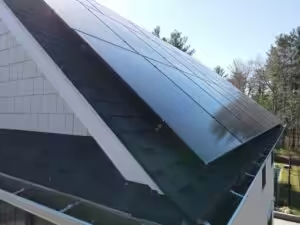
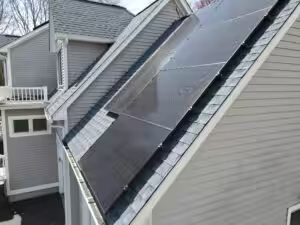
When snow covers panels, energy production can drop significantly, sometimes to near zero. However, the albedo effect, the reflection of sunlight off snow, can partially compensate by increasing diffuse light reaching the panels once the snow begins to melt or slides off. Panels installed at steeper tilt angles (between 30 and 45 degrees) and with proper roof pitch encourage snow to shed more quickly, minimizing downtime and improving overall solar panel performance in snow winter conditions.
Typical Winter Solar Production by Month in New England
| Month | Average % of Annual Energy Production |
|---|---|
| December | 5-7% |
| January | 6-8% |
| February | 7-9% |
These percentages reflect typical energy production during the coldest months, demonstrating that while output is lower than in summer, solar panels still contribute significantly to household energy needs through effective winter solar performance.
Which Solar Panel Types Best Withstand Winter Conditions in Rhode Island, Massachusetts, and Connecticut?
Choosing the right solar panel technology is essential for maximizing winter solar panel performance. Monocrystalline panels are widely regarded as the best option for snowy climates due to their high efficiency and superior performance in low-light and cold conditions. Their photovoltaic cells have a lower degradation rate and better tolerance to snow load compared to other types.
Polycrystalline panels offer a more affordable alternative but typically have slightly lower efficiency and may not perform as well in diffuse light conditions common during overcast winter days. Thin-film panels, while lightweight and flexible, generally have the lowest efficiency and are less ideal for New England winters where maximizing kilowatt-hours is important.

How Does Panel Tilt Angle and Roof Pitch Affect Snow Shedding and Winter Solar Performance?
The panel tilt angle and roof pitch are critical design factors that influence snow shedding and solar irradiance capture. Panels installed at angles between 30 and 45 degrees are optimal for encouraging snow to slide off naturally, reducing snow load and downtime. Roofs with steeper pitches also facilitate snow shedding, preventing excessive accumulation that can block sunlight and add stress to the structure.
Additionally, the tilt angle affects the amount of direct and diffuse light the panels receive. During winter, the sun is lower in the sky, so adjusting the tilt angle to a steeper position can maximize solar irradiance capture and improve annual energy production. Sunfinity Power offers expert solar installation services that optimize these parameters for Rhode Island, Massachusetts, and Connecticut homes, ensuring maximum winter solar panel performance and energy efficiency.
How to Safely Remove Snow from Solar Panels
Proper snow removal is essential to maintain solar panel efficiency without damaging the system. Follow these steps to safely clear snow:
- Wait for natural melting: If possible, allow snow to melt naturally, especially if the snow layer is thin.
- Use soft tools: Employ a soft-bristled broom or a roof rake with a foam head designed for solar panels to gently remove snow.
- Avoid metal tools: Do not use shovels, ice picks, or any sharp objects that can scratch or crack photovoltaic cells.
- Work from the bottom up: Start clearing snow from the lower edge of the panels to prevent snow from sliding down and causing injury or damage.
- Do not use hot water: Avoid pouring hot water on panels to melt snow, as rapid temperature changes can cause thermal shock and damage.
- Consider professional help: For heavy snow loads or difficult-to-reach panels, hire professionals experienced in winter solar maintenance.
Tips to Maximize Winter Solar Panel Performance and Maintenance
Routine maintenance is vital to ensure solar panels continue to operate efficiently during winter. Homeowners should perform periodic inspections to check for snow accumulation, debris, or damage. Cleaning panels after heavy snowfall and ensuring the solar inverter is functioning properly can prevent energy losses and improve overall solar panel performance in snow and winter conditions.
Annual professional inspections can identify potential issues such as microcracks or wiring problems that may worsen in cold weather. Additionally, monitoring system performance through energy production data helps detect anomalies early. Sunfinity Power’s local expertise in Rhode Island, Massachusetts, and Connecticut ensures that your solar system is optimized for winter conditions and maintained to industry standards, enhancing winter solar performance.
How Do Combined Solar and Roofing Solutions Enhance Winter Energy Efficiency?
Integrated solar roofing systems combine photovoltaic panels with roofing materials to provide enhanced protection against snow and ice damage. These systems reduce the risk of ice dams, which can cause leaks and structural damage, while maximizing solar energy capture across the entire roof surface.
By improving roof durability and energy efficiency simultaneously, homeowners benefit from extended roof lifespan and increased kilowatt-hour production during winter months. Sunfinity Power offers customized solar roofing solutions tailored to New England’s climate, ensuring optimal solar panel performance in snow and winter protection.
What Financial Incentives and Energy Savings Are Available for Winter Solar Power in Rhode Island, Massachusetts, and Connecticut?
Homeowners in these states can leverage several financial incentives to reduce the upfront cost of solar panel installation and improve return on investment (ROI), even during winter months. State rebates, performance-based incentives, and net metering in Rhode Island, Massachusetts, and Connecticut all help lower net costs.
State-specific programs include the Rhode Island Renewable Energy Fund, Massachusetts Solar Massachusetts Renewable Target (SMART) Program, and Connecticut’s Residential Solar Investment Program. These initiatives offer rebates and performance-based incentives that lower installation costs and increase savings.
Net metering programs in all three states enable homeowners to receive credits for excess energy produced during sunnier periods, which can offset energy consumption during winter when production is lower. This system enhances ROI by balancing seasonal fluctuations in solar energy generation and supporting consistent solar panel performance in snow and winter months.
Frequently Asked Questions
Do solar panels work when covered in snow?
Solar panels covered in snow produce little to no electricity because the photovoltaic cells are blocked from sunlight. However, once the snow melts or slides off, panels quickly resume normal operation. The cold temperatures can actually improve panel efficiency when uncovered, contributing to strong solar panel performance in snow and winter conditions.
How much does snow reduce solar panel efficiency?
Snow coverage can reduce solar panel efficiency by up to 100% if panels are fully covered. Partial snow coverage or reflective snow on the ground can mitigate losses through the albedo effect, but overall output typically decreases during heavy snowfall. Proper snow shedding and maintenance help maintain winter solar performance.
Should I remove snow from my solar panels?
Yes, removing snow helps restore energy production. Use soft tools and avoid damaging the panels. If snow is light, natural melting may suffice. For heavy snow or hard-to-reach panels, consider professional snow removal services to ensure safe and effective clearing that supports optimal solar panel performance in snow winter conditions.
What is the best panel tilt for winter in New England?
A tilt angle between 30 and 45 degrees is optimal for winter in New England. This angle encourages snow to slide off and maximizes solar irradiance capture when the sun is lower in the sky, enhancing winter solar panel efficiency and performance.
How do I calculate winter solar savings in Rhode Island, Massachusetts, or Connecticut?
Calculate winter solar savings by estimating your system’s expected kilowatt-hours (kWh) production based on average peak sun hours (3.8 for Rhode Island, 3.8-4.2 for Massachusetts, 4.0 for Connecticut), panel efficiency, and system size. Factor in local net metering credits and energy rates to determine cost savings and overall solar panel performance in snow and winter conditions.
Sunfinity Power’s Expertise in New England Winter Solar Installations
With years of experience installing solar panels in Rhode Island, Massachusetts, and Connecticut, Sunfinity Power understands the unique challenges posed by New England winters. Their team designs and installs systems optimized for snow load, panel tilt angle, and local weather patterns to ensure maximum annual energy production and durability. Homeowners benefit from tailored solutions that enhance energy efficiency, reduce degradation rate, and provide reliable solar panel performance in snow and winter year-round.