

Is Solar Worth It? A Homeowner's ROI Breakdown for RI, MA & CT

Is Solar Worth It? Homeowner ROI & Payback in RI, MA & CT
As homeowners increasingly seek sustainable energy solutions, the question is solar worth it becomes paramount. This article delves into the return on investment (ROI) for solar panels specifically in Rhode Island, Massachusetts, and Connecticut, providing a detailed analysis of costs, payback periods, and available incentives. Homeowners will learn how solar energy can lead to significant savings on electricity bills while also enhancing property value. By understanding the financial implications and benefits of solar energy, homeowners can make informed decisions about their energy future. We will explore the factors that contribute to ROI, the typical payback period for solar systems, the incentives available, the impact of roof conditions on solar installations, and how solar affects home resale value.
The long-standing debate over solar’s economic viability in the region has been a topic of discussion for decades.
Economic Feasibility of Solar Home Heating in New England
Since the 1973 oil embargo, substantial interest has focused upon the question of the cost competitiveness of solar space heating and domestic hot water systems for single family residences. At the present time, several New England electric companies (Massachusetts Electric, Granite State and Narragansett) are testing commercially available solar domestic hot water heaters in 100 New England homes. Yet, the question of the cost competitiveness of solar systems remains unresolved. For example, a recent study by the Massachusetts Energy Policy Office suggests that solar systems are currently cost competitive with electric resistance heating in the Boston area.
The Economic Feasibility of Solar Home Heating Systems in New England
What Constitutes the Return on Investment for Solar Panels in New England?
The return on investment (ROI) for solar panels in New England is determined by several key factors. Primarily, the size of the solar system and the homeowner’s energy usage significantly impact the overall ROI. Larger systems that generate more electricity can lead to greater savings on energy bills. Additionally, the location of the home affects solar energy generation potential, as areas with more sunlight yield higher energy production. Furthermore, various incentives and tax credits can substantially lower installation costs, enhancing the financial return for homeowners.
How Are Solar Panel Costs Calculated Across Rhode Island, Massachusetts, and Connecticut?
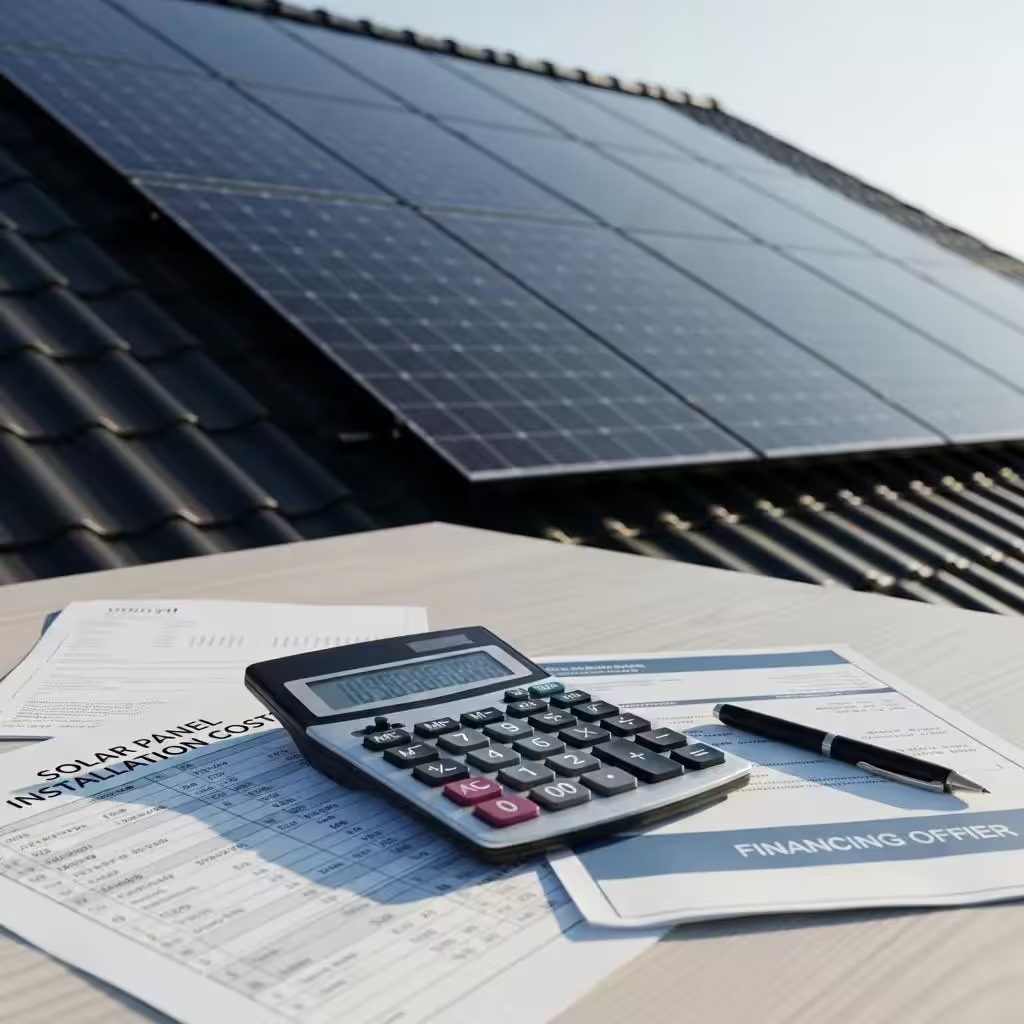
Calculating the costs of solar panels in Rhode Island, Massachusetts, and Connecticut involves several components. State-specific incentives play a crucial role in reducing the overall costs of installation. For instance, high electricity rates in these states can accelerate the payback period, making solar energy more appealing. Additionally, the solar potential of a property, including its orientation and shading, affects the overall costs and savings associated with solar panel installation.
Further insights into local challenges and financing considerations highlight the complexities homeowners might face.
Rooftop Solar Costs & Financing in Lawrence, MA
Lawrence faces high energy burden and electricity prices, thus rooftop solar can be a tool to help lower those costs. However, the coalition received feedback that some solar companies were using deceptive and unfair practices when marketing, selling, or financing solar energy, costing residents more money than utility rates and increasing the energy burden.
Rooftop Solar in Lawrence, MA: Community Perspectives, Deceptive Practices, and Financing Options
What Is the Typical Payback Period for Home Solar Systems in New England?
The typical payback period for home solar systems in New England ranges from 5 to 7 years. This timeframe can vary based on several factors, including installation costs, energy savings, and the availability of incentives. Homeowners who take advantage of state tax credits and performance-based incentives may find that their payback period is significantly shortened, making solar energy a more attractive investment.
Detailed ROI Breakdown for Rhode Island, Massachusetts, and Connecticut Homeowners
Understanding the return on investment for solar panels requires a closer look at typical payback periods and savings in each state:
- Rhode Island: Homeowners typically see a payback period of 5 to 7 years, supported by state rebates and net metering programs that enhance savings on electricity bills.
- Massachusetts: With strong state incentives and net metering policies, the payback period generally falls between 5 and 7 years, making solar a financially sound choice for many residents.
- Connecticut: State programs and performance-based incentives contribute to a 5 to 7 year payback period, with high electricity rates further improving the financial benefits of solar installations.
These payback periods reflect the time it takes for the energy savings and incentives to cover the initial installation costs, after which homeowners enjoy reduced or eliminated electricity bills, resulting in ongoing financial benefits.
Which Solar Incentives and Tax Credits Enhance Homeowner Savings in RI, MA, and CT?

Homeowners in Rhode Island, Massachusetts, and Connecticut can benefit from various solar incentives and tax credits that enhance their savings. Key incentives include:
- State-Specific Programs: Each state offers unique programs, including rebates and performance-based incentives, that can further reduce installation costs.
- Net Metering: This allows homeowners to receive credits for excess energy produced by their solar systems, further lowering their electricity bills.
These incentives collectively improve the affordability of solar energy, making it a viable option for many homeowners.
How Do State Solar Incentives Impact Overall Solar ROI?
State solar incentives significantly impact the overall ROI for solar installations. By improving affordability, these incentives enable homeowners to recoup their initial investments more quickly. State programs enhance financial viability and, combined with net metering, provide ongoing savings. As a result, homeowners can expect a more favorable ROI when they leverage these incentives.
How Does Roof Condition Affect Solar Installation and Long-Term Investment Value?
The condition of a roof plays a critical role in the feasibility and efficiency of solar installations. A well-maintained roof maximizes energy efficiency and ensures the longevity of the solar system. Conversely, roofs that are nearing the end of their lifespan or show signs of damage may require repairs or replacement before solar panels can be installed. This consideration is vital for homeowners looking to invest in solar energy.
When Is Roof Replacement Necessary Before Solar Panel Installation?
Homeowners should consider roof replacement before solar panel installation under several conditions:
- Roof Age: If the roof is nearing the end of its expected lifespan, replacement is advisable to avoid future complications.
- Visible Damage: Any visible damage, such as leaks or missing shingles, necessitates replacement to ensure the integrity of the solar installation.
- Structural Integrity: The roof must be structurally sound to support the weight of solar panels, making inspections crucial before installation.
Addressing these factors can prevent costly issues down the line and enhance the overall investment value of solar energy.
What Are the Benefits of Integrated Solar and Roofing Solutions Offered by Sunfinity Power?
Sunfinity Power offers integrated solar and roofing solutions that provide several benefits for homeowners. These include:
- Simplified Project Management: Coordinating both solar and roofing projects through a single provider streamlines the installation process.
- Cost Savings: Bundled services can lead to reduced overall costs compared to managing separate contractors.
- Increased Home Value: Homes equipped with solar energy systems often see an increase in property value, making this investment worthwhile.
By choosing integrated solutions, homeowners can enjoy a more efficient and cost-effective approach to solar energy.
How Does Solar Energy Affect Home Resale Value?
Solar energy systems can positively impact home resale value by making properties more attractive to buyers seeking energy-efficient and sustainable homes. Studies have shown that homes with solar panels often sell faster and at higher prices compared to similar homes without solar. The presence of a solar system signals lower future energy costs and environmental responsibility, which are increasingly valued in the real estate market. Additionally, integrated solar and roofing solutions can further enhance curb appeal and structural integrity, contributing to overall property value.
What Is the Step-by-Step Process for Solar Installation in Rhode Island, Massachusetts, and Connecticut?
The process for solar installation typically involves several key steps:
- Discovery and Savings Analysis: Homeowners discuss their energy needs and potential savings with a solar consultant.
- Site Survey and Design: A professional assesses the property to design a customized solar system.
- Installation and Commissioning: The solar panels are installed, followed by system testing to ensure optimal performance.
This structured approach helps homeowners understand what to expect throughout the installation process.
How Long Does Each Phase of Solar Installation Typically Take?
The duration of each phase of solar installation can vary, but typical timelines include:
- Initial Consultation: 1-2 weeks for discussions and assessments.
- System Design and Permits: 2-4 weeks for designing the system and obtaining necessary permits.
- Installation: The actual installation can be completed in 1-3 days, depending on the system size and complexity.
These timelines provide homeowners with a clear understanding of the installation process.
What Should Homeowners Expect During the Solar Discovery and Consultation Call?
During the solar discovery and consultation call, homeowners can expect:
- Personalized Discussion: A tailored conversation about energy needs and potential solar solutions.
- Overview of Solar Options: Information on different solar systems and financing options available.
- Customized Estimate: A detailed estimate based on the homeowner’s specific situation and energy usage.
This initial consultation is crucial for setting the stage for a successful solar installation.
Which Financing Options and Customized Solar Savings Reports Optimize Homeowner Investment?
Homeowners have access to various financing options that can optimize their solar investment, including:
- Zero-Down Financing Options: Allowing homeowners to install solar systems without upfront costs.
- Flexible Solar Loans: Offering tailored repayment plans to fit individual budgets.
- Customized Savings Reports: Providing detailed analyses of potential energy savings and return on investment.
These options empower homeowners to make informed financial decisions regarding their solar investments.
How Do Financing Plans Influence Solar ROI and Affordability?
Financing plans play a significant role in determining solar ROI and affordability. By affecting the initial investment, different financing options can either enhance or hinder the overall return. Lower interest rates and favorable terms can lead to greater savings over time, while state incentives further improve affordability. Understanding these dynamics is essential for homeowners considering solar energy.
What Information Does a Custom Solar Savings Report Provide to Homeowners?
A custom solar savings report offers valuable insights for homeowners, including:
- Potential Energy Savings Analysis: Estimating how much homeowners can save on their electricity bills.
- Estimated Costs Breakdown: Detailing the costs associated with installation and financing.
- Projected Monthly Savings: Providing an overview of expected savings on a monthly basis.
This report serves as a critical tool for homeowners to evaluate the financial benefits of solar energy.
| Incentive Type | Description | Impact on ROI |
|---|---|---|
| State-Specific Programs | Varies by state, often includes rebates | Moderate |
| Net Metering | Credits for excess energy produced | High |
This table illustrates how different incentives can enhance the overall ROI for homeowners considering solar energy.
| State | Average Payback Period | Key Incentives |
|---|---|---|
| Rhode Island | 5-7 years | State Rebates, Net Metering |
| Massachusetts | 5-7 years | State Incentives, Net Metering |
| Connecticut | 5-7 years | State Programs, Net Metering |
This comparison highlights the similarities in payback periods across New England states, emphasizing the importance of incentives in achieving favorable returns on investment.
Frequently Asked Questions About Solar Energy
Is solar worth it for homeowners?
Yes, solar is worth it for many homeowners, especially in Rhode Island, Massachusetts, and Connecticut, where state incentives, high electricity rates, and net metering policies contribute to attractive returns on investment and long-term savings.
How long does it take for solar to pay for itself?
The typical payback period for solar systems in New England ranges from 5 to 7 years, depending on system size, installation costs, energy usage, and available incentives.
Does solar increase home value?
Solar energy systems generally increase home resale value by making properties more energy-efficient and appealing to buyers interested in sustainable living and lower utility costs.
What factors affect solar ROI?
Solar ROI is influenced by system size, energy consumption, local solar potential, installation costs, roof condition, and the availability of state incentives and net metering programs.
Is solar worth it in New England?
Solar is worth it in New England due to favorable state incentives, high electricity prices, and net metering policies that help homeowners achieve significant savings and a strong return on investment.
To learn more about how you can benefit from solar energy, visit Sunfinity Power today.
Considering a new roof along with your solar installation? Roof replacement might be necessary to ensure the longevity and efficiency of your solar system.
Discover potential savings with a custom solar savings report, providing detailed analyses of energy savings and ROI.
For a comprehensive approach, explore solar installation and roofing services to streamline your project.
Start your solar journey with a solar discovery call to discuss your energy needs and potential savings.