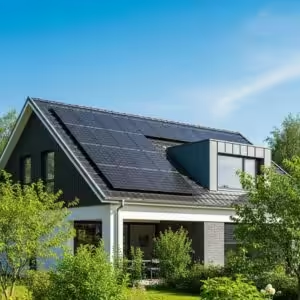

How Solar Panels Work: A Homeowner’s Guide from Sunfinity Power

Solar Panels 101: How They Convert Sunlight into Power
Solar energy 101 covers the fundamentals of how solar panels work, providing homeowners with essential knowledge about harnessing the sun’s power for clean, renewable electricity. Understanding how solar panels work is crucial in today’s world, where rising energy costs and environmental concerns drive the demand for sustainable solutions. This comprehensive guide explores the science behind photovoltaic solar energy, the technology involved, and the practical benefits for homeowners in Massachusetts, Rhode Island, Connecticut, and beyond. Whether you’re interested in solar panel basics, grid-tied systems, or off-grid solar installations, this article offers expert insights, industry statistics, and actionable information to help you make informed decisions about your energy future.
What Is Solar Energy and How Do Solar Panels Work to Convert Sunlight into Electricity? (Solar Energy 101)
Solar energy is the radiant light and heat emitted by the sun, which can be converted into usable electrical power through advanced technology. The core of this conversion process lies in photovoltaic cells, typically made from silicon semiconductors, which absorb sunlight and generate an electric current. This process, known as the photovoltaic effect, is the foundation of solar power systems worldwide and a key concept in solar energy 101.
When sunlight, composed of photons, strikes the surface of a solar panel, these photons transfer their energy to electrons within the silicon cells. This energy transfer frees the electrons, allowing them to flow through the material and create a direct current (DC) of electricity. This DC electricity is then converted into alternating current (AC) by an inverter, making it compatible with household appliances and the electrical grid.
Step-by-Step How Solar Panels Work: Converting Sunlight to Electricity
- Sunlight Absorption: Photons from solar irradiance hit the solar panel’s surface, primarily the silicon semiconductor cells.
- Electron Excitation: The energy from photons excites electrons, freeing them from atoms within the photovoltaic cells.
- Electric Current Generation: Freed electrons flow through the silicon, creating a DC electric current.
- Conversion to AC Power: The inverter converts DC electricity into AC electricity suitable for home use or grid export.
- Energy Usage or Storage: Electricity powers household devices, charges battery storage systems, or feeds excess power back to the grid via net metering.
This seamless process enables solar panels to transform sunlight into reliable, clean energy, reducing reliance on fossil fuels and lowering carbon footprints. These solar panel basics form the foundation of how solar panels work and how does solar energy work in practical terms.
Types of Solar Panels: Comparing Monocrystalline, Polycrystalline, and Thin-Film Solar Panels for Maximum Energy Efficiency
Choosing the right solar panel type is crucial for optimizing energy efficiency, cost-effectiveness, and installation suitability. The three primary types of solar panels are:
| Panel Type | Efficiency | Lifespan | Cost | Space Required | Performance Characteristics | Ideal Use Cases |
|---|---|---|---|---|---|---|
| Monocrystalline | 18-22% | 25-30 years | Higher | Low (compact) | High efficiency, performs well in low light and partial shading | Homes with limited roof space seeking maximum output |
| Polycrystalline | 15-17% | 20-25 years | Moderate | Moderate | Good efficiency, cost-effective for larger installations | Budget-conscious homeowners with ample roof area |
| Thin-Film | 10-13% | 15-20 years | Lower | High (requires more area) | Lightweight, flexible, less efficient but versatile | Specialized or portable solar applications |
Industry experts recommend monocrystalline panels for residential solar installations where space and efficiency are priorities, while polycrystalline panels offer a balanced option for cost and performance. Thin-film panels, though less efficient, are gaining traction in niche markets due to their flexibility and lightweight design.
Factors Affecting Solar Panel Efficiency: How Weather, Temperature, and System Design Impact Energy Production (How Solar Panels Work)
Solar panel efficiency—the ability to convert sunlight into usable electricity—is influenced by multiple factors that homeowners should consider when planning a solar installation:
- Panel Type and Quality: High-quality monocrystalline panels typically deliver superior energy efficiency compared to polycrystalline or thin-film options.
- Solar Irradiance and Peak Sun Hours: The amount of sunlight available, measured in peak sun hours, directly affects energy output. New England averages 4 to 5 peak sun hours daily, which is sufficient for effective solar power generation.
- Weather Conditions and Shading: Cloud cover, shading from trees or buildings, and dirt accumulation can significantly reduce sunlight absorption and energy production.
- Temperature Effects: Elevated temperatures can decrease panel efficiency by increasing resistance in silicon semiconductors. Proper ventilation and panel spacing help mitigate heat buildup.
- System Orientation and Tilt: Panels oriented toward the sun’s path with optimal tilt angles maximize sunlight exposure throughout the year.
- Inverter and System Components: High-quality inverters and solar charge controllers ensure minimal energy loss during DC to AC conversion and system regulation.
Professional solar installers use advanced modeling tools to design systems that optimize these factors, ensuring maximum energy efficiency and return on investment. Understanding these factors is key to grasping how solar panels work and the broader solar energy 101 concepts.
Comprehensive Components of a Residential Solar Power System: Panels, Inverters, Battery Storage, and Monitoring
A fully functional solar power system integrates several key components that work in harmony to capture, convert, store, and manage solar energy:
- Solar Panels (Solar Array): Comprised of multiple photovoltaic cells, the solar array captures sunlight and converts it into DC electricity.
- Inverter: Converts DC electricity from the panels into AC electricity compatible with home appliances and the electrical grid.
- Mounting Systems: Secure solar panels to rooftops or ground mounts, designed to withstand weather and optimize panel angle for sunlight absorption.
- Battery Storage Systems: Optional lithium-ion or other battery technologies store excess energy for use during nighttime or grid outages, enhancing energy independence.
- Solar Charge Controller: Regulates battery charging to prevent overcharging and extend battery lifespan.
- Monitoring Systems: Provide real-time data on system performance, energy production, and alerts for maintenance needs.
Understanding these components helps homeowners evaluate system capabilities, plan upgrades, and maintain optimal performance over time. These solar panel basics are essential for anyone learning how solar panels work in a residential setting.
How Much Energy Can Solar Panels Produce? Estimating Solar Power Output and Savings in Massachusetts, Rhode Island, and Connecticut
The energy production of a solar power system depends on several variables, including system size (measured in kilowatt-peak or kWp), panel efficiency, and local solar irradiance. In New England, average peak sun hours range from 4 to 5 hours per day, which influences total annual energy output.
For example, a 5 kWp solar system installed in Massachusetts typically generates between 5,000 and 6,000 kilowatt-hours (kWh) annually. This amount can cover a substantial portion of an average household’s electricity consumption, significantly reducing utility bills.
Rhode Island and Connecticut offer similar solar potential, with slight variations due to local climate and shading factors. State-specific incentives and net metering policies further enhance the financial benefits of solar installations in these regions.
State Incentives and Net Metering Programs in New England
- Massachusetts: The SMART (Solar Massachusetts Renewable Target) program provides performance-based incentives, alongside state tax credits and net metering options that allow homeowners to sell excess electricity back to the grid.
- Rhode Island: Offers Renewable Energy Fund rebates and net metering, supporting residential solar adoption.
- Connecticut: Features the Residential Solar Investment Program and net metering policies that improve solar economics.
These programs reduce upfront costs and shorten payback periods, making solar power a financially sound investment in New England.
Energy Storage and Battery Integration: Enhancing Solar Power Reliability and Independence
Integrating battery storage with solar panels allows homeowners to store surplus energy generated during daylight hours for use at night or during grid outages. Modern lithium-ion batteries offer high energy efficiency, long lifespans, and scalable capacity tailored to individual energy needs.
Battery systems, managed by solar charge controllers, optimize charging and discharging cycles to maximize battery health and performance. This integration is particularly valuable in New England, where winter storms and grid interruptions can impact power reliability.
By combining solar panels with battery storage, homeowners can achieve greater energy independence, reduce reliance on the grid, and enjoy backup power during emergencies.
Recent Technological Advances in Solar Panels: Bifacial, PERC, and Perovskite Innovations
The solar industry continuously evolves, introducing technologies that improve energy efficiency, durability, and cost-effectiveness. Key recent advances include:
- Bifacial Solar Panels: These panels capture sunlight from both the front and back sides, increasing energy yield by up to 15% in optimal installations by utilizing reflected light.
- PERC Cells (Passivated Emitter and Rear Cell): Incorporate a passivation layer that reduces electron recombination, enhancing light capture and boosting panel efficiency.
- Perovskite Solar Cells: An emerging technology with the potential for higher efficiency and lower manufacturing costs, promising to revolutionize solar energy in the near future.
Staying informed about these innovations enables homeowners and solar professionals to select systems that deliver superior long-term performance and value.
Step-by-Step Residential Solar Installation Process: From Site Assessment to System Activation

Professional solar installation involves a series of carefully coordinated steps to ensure safety, compliance, and optimal system performance:
- Site Assessment and Energy Analysis: A certified solar technician evaluates your roof’s condition, shading patterns, and energy consumption to design a system tailored to your needs.
- System Design and Permitting: Engineers create detailed layouts, select appropriate components, and secure necessary permits from local authorities.
- Installation of Panels and Components: Solar panels, inverters, mounting systems, and optional battery storage are installed and connected to your home’s electrical system.
- Inspection and Grid Connection: Local inspectors verify the installation meets code requirements. The system is then connected to the grid or configured as an off-grid system.
- System Activation and Monitoring Setup: The system is activated, and monitoring tools are configured to track performance and energy production.
Following these steps ensures a safe, efficient, and code-compliant solar power system that maximizes your energy savings and environmental benefits.
Common Solar Panel Issues and Troubleshooting Tips for Homeowners
While solar panels are designed for durability and low maintenance, occasional issues may arise that affect system performance:
- Reduced Energy Output: Often caused by shading, dirt accumulation, or malfunctioning components. Regular cleaning and monitoring help maintain optimal performance.
- Physical Damage: Panels may suffer cracks or corrosion due to severe weather events, requiring professional inspection and repair.
- Inverter Failures: Inverters can degrade over time and may need repair or replacement to restore system efficiency.
Routine system monitoring and scheduled professional inspections are essential to detect and address problems early, protecting your investment and ensuring consistent energy production.
Essential Solar Panel Maintenance Tips and Expected Lifespan for Long-Term Performance
Proper maintenance extends the lifespan and efficiency of your solar power system. Most solar panels come with performance warranties ranging from 20 to 25 years, but with diligent care, panels can continue producing electricity well beyond that timeframe.
How to Maximize Solar Panel Performance Over Time
- Regular Cleaning: Remove dust, leaves, bird droppings, and other debris to ensure maximum sunlight absorption.
- Performance Monitoring: Use system monitoring tools to track energy production and quickly identify any drops in output.
- Professional Inspections: Schedule periodic inspections by qualified solar technicians to check electrical connections, mounting hardware, and inverter health.
Recognizing Signs of Solar Panel Wear and When to Schedule Service
Be alert for sudden decreases in energy output, visible physical damage, discoloration, or system alerts from your monitoring platform. Promptly contacting a professional solar installer for diagnosis and repair can prevent minor issues from escalating into costly failures. Timely maintenance safeguards your system’s longevity and return on investment.
Frequently Asked Questions (FAQ) About Solar Energy 101 and How Solar Panels Work
How Do Solar Panels Work Step by Step?
Solar panels convert sunlight into electricity through the photovoltaic effect. Step-by-step, sunlight photons hit silicon semiconductor cells, exciting electrons and generating a direct current (DC). This DC electricity flows to an inverter, which converts it into alternating current (AC) for home use or grid export. Excess energy can be stored in batteries or sent back to the grid via net metering. This explanation covers the core of solar energy 101 and how solar panels work.
What Is the Photovoltaic Effect in Solar Energy?
The photovoltaic effect is the fundamental process by which solar panels convert sunlight into electrical energy. When photons strike the photovoltaic cells, they transfer energy to electrons, freeing them to flow as an electric current. This effect relies on the properties of silicon semiconductors and is the basis for all photovoltaic solar energy generation.
How Much Can Solar Energy Save on Electricity Bills?
Solar energy can significantly reduce electricity bills by generating clean power onsite. Savings depend on system size, local solar irradiance, energy consumption, and net metering policies. In New England, a typical 5 kWp system can produce 5,000 to 6,000 kWh annually, potentially covering a large portion of household electricity needs and reducing bills by hundreds to thousands of dollars per year.
What Is Net Metering and How Does It Benefit Solar Homeowners?
Net metering is a billing mechanism that credits solar energy system owners for the electricity they add to the grid. When your solar panels produce more electricity than your home uses, the excess is sent to the grid, and you receive credits that offset future electricity consumption. This system maximizes financial returns and encourages renewable energy adoption.
Are Solar Panels Worth It for Homeowners?
Yes, solar panels are a worthwhile investment for many homeowners. They provide long-term energy cost savings, increase property value, reduce carbon footprints, and offer energy independence. With state incentives, net metering, and declining installation costs, solar power systems often pay for themselves within 5 to 10 years, delivering decades of clean energy benefits.
How Long Do Solar Panels Last and What Is Their Expected Lifespan?
Most solar panels have an expected lifespan of 25 to 30 years, backed by performance warranties guaranteeing around 80% efficiency at 25 years. With proper maintenance, panels can continue producing electricity beyond this period. Inverters and batteries may require replacement sooner, typically every 10 to 15 years, depending on usage and technology.
Take the Next Step Toward Clean, Affordable Solar Energy with Sunfinity Power
Ready to reduce your energy bills, lower your carbon footprint, and gain energy independence? Contact the expert solar installers at Sunfinity Power today for a personalized solar assessment and customized system design tailored to your home’s unique needs. Harness the power of renewable energy and join thousands of satisfied homeowners in Massachusetts, Rhode Island, Connecticut, and beyond who are making the smart switch to solar.
Quick Facts About Solar Energy and Residential Solar Systems
- Solar panels convert sunlight into electricity using the photovoltaic effect within silicon semiconductor cells.
- Monocrystalline panels offer the highest energy efficiency, reaching up to 22% conversion rates.
- New England receives approximately 4 to 5 peak sun hours daily, sufficient for effective solar power generation.
- Residential solar systems typically last 25 to 30 years with minimal maintenance, supported by strong warranties.
- Battery storage systems enhance energy independence and provide backup power during outages.
- State incentives and net metering programs in Massachusetts, Rhode Island, and Connecticut significantly reduce installation costs and improve payback periods.