
Solar Permitting in Massachusetts: Permits, HOA Rules & Interconnection Explained
Solar Permitting in Massachusetts: Comprehensive Guide to Permits, HOA Rules, and Interconnection Processes
Navigating the solar permitting landscape in Massachusetts can be complex, but understanding the essential requirements and processes can empower homeowners to make informed decisions. This comprehensive guide will delve into the intricacies of solar permitting, including the necessary permits, the role of homeowners’ associations (HOAs), and the interconnection processes involved in solar panel installation. Homeowners often face challenges such as understanding local regulations and ensuring compliance with HOA rules, which can impact their ability to install solar panels. By breaking down these components, this article aims to provide clarity and actionable insights for homeowners looking to harness solar energy. We will cover essential permit requirements, the application process, HOA regulations, and interconnection timelines, ensuring you have a complete understanding of solar permitting in Massachusetts.
What Are the Essential Massachusetts Solar Panel Permit Requirements?
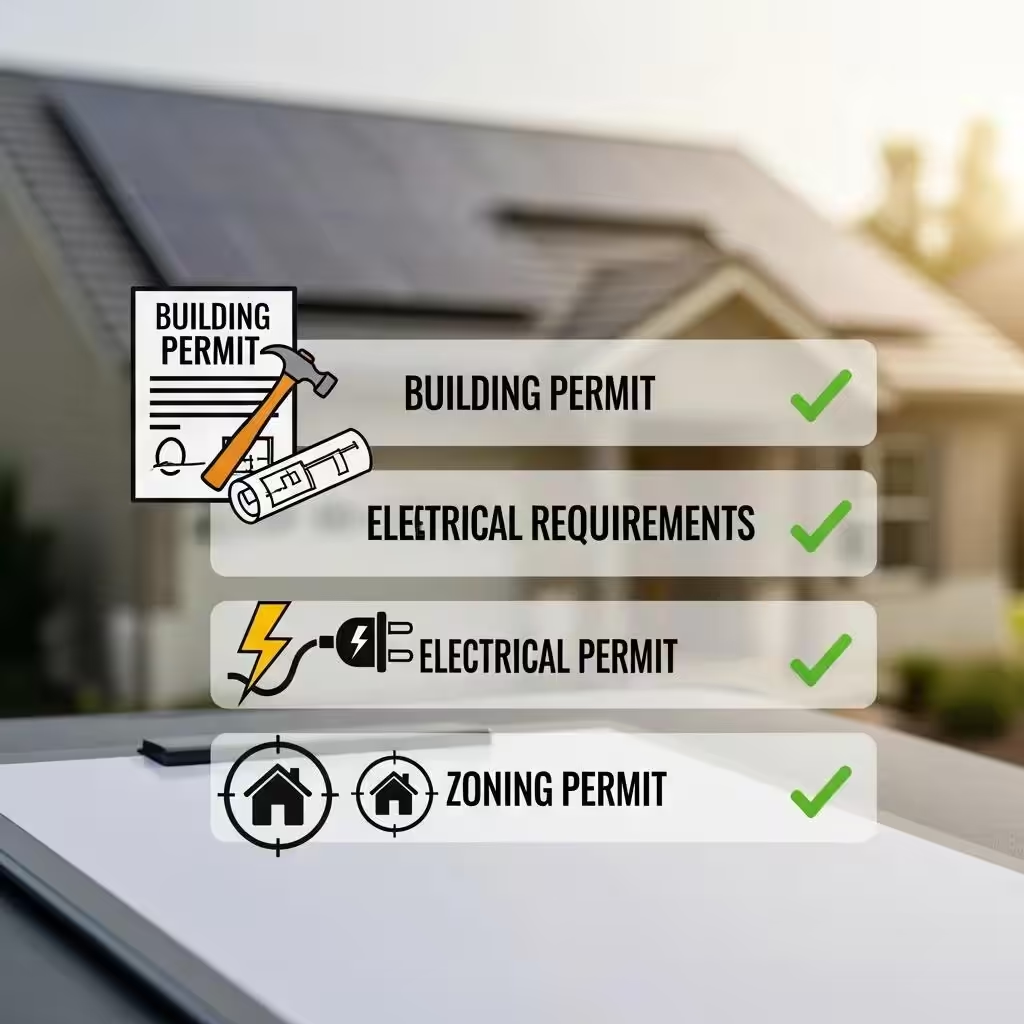
In Massachusetts, several essential permits are required for solar panel installation to ensure compliance with local regulations and safety standards. These permits typically include:
- Building Permit: This permit ensures that the installation meets local building codes and safety standards.
- Electrical Permit: Required for any electrical work associated with the solar installation, ensuring that all electrical components are safely installed.
- Zoning Permit: This permit verifies that the solar installation complies with local zoning laws, which may dictate where solar panels can be placed on a property.
Understanding these requirements is crucial for homeowners to avoid delays and ensure a smooth installation process.
What Permits Are Required for Solar in Massachusetts
Massachusetts homeowners looking to install solar panels typically need to secure multiple permits and approvals to comply with state and local regulations. The key permits and approvals include:
- Building Permit: Required in virtually all Massachusetts towns, this permit ensures that the solar installation meets local building codes, structural safety standards, and fire safety requirements. It covers the physical installation of panels, mounting hardware, and any roof penetrations.
- Electrical Permit: Mandatory for all grid-tied solar systems, this permit covers the electrical wiring, inverter installation, and connection to the home’s electrical system. It ensures that all electrical work complies with the National Electrical Code (NEC) and local amendments.
- Utility Interconnection Application: Separate from local permits, this application is submitted to the utility company (such as Eversource or National Grid) to approve the connection of the solar system to the electrical grid. This process includes technical reviews to ensure grid safety and reliability.
- Inspection Requirements: Most towns require multiple inspections, including a rough-in electrical inspection before walls are closed up, a final electrical inspection after installation, and in some cases, a structural inspection to verify roof integrity and compliance with building codes.
In summary, most Massachusetts homeowners need at least three approvals before their solar system can be legally energized: local building and electrical permits, a utility interconnection application, and a final inspection sign-off. These steps ensure safety, code compliance, and proper integration with the electrical grid.
How to Navigate the Massachusetts Solar Permit Application Process Step-by-Step
Navigating the solar permit application process in Massachusetts involves several key steps that homeowners should follow to ensure compliance and efficiency:
- Conduct a Pre-Installation Assessment: Evaluate your property to determine the best location for solar panels, considering factors like roof orientation and shading.
- Obtain Necessary Permits: Apply for the required building, electrical, and zoning permits from your local municipality.
- Installation and Inspection: Once permits are secured, proceed with the installation of the solar panels, followed by an inspection to ensure compliance with all regulations.
Following these steps can streamline the permitting process and help avoid potential setbacks.
The Massachusetts Solar Permitting Process Step by Step
The solar permitting process in Massachusetts is structured to ensure safety, compliance, and efficient integration of solar systems. Here is a detailed step-by-step overview:
- Pre-Application: The solar installer assesses the property, designs the system, and prepares detailed permit drawings and electrical load calculations. This includes a site survey and system sizing to meet homeowner needs and code requirements.
- Permit Submission: The installer submits applications for building and electrical permits to the local building department. These applications include technical drawings, equipment specifications, and compliance documentation.
- Approval Timeline: Most Massachusetts towns review and approve solar permits within 1-3 weeks. Some municipalities offer over-the-counter approvals for standard residential systems under a certain size, expediting the process.
- Installation and Inspection: After permit approval, the installer proceeds with the solar panel installation. A rough-in electrical inspection may be required before walls or roof penetrations are closed. Once installation is complete, a final inspection verifies compliance with all codes and standards.
- Utility Interconnection Application: The installer or homeowner submits an interconnection application to the utility company (Eversource or National Grid). This application includes technical specifications, a single-line electrical diagram, and inverter datasheets.
- Permission to Operate (PTO): After the utility completes its engineering review and approves the interconnection, it issues a Permission to Operate. This final authorization allows the homeowner to legally energize and operate the solar system. The system cannot be turned on before PTO is granted.
Following this process ensures that solar installations in Massachusetts meet all regulatory requirements and are safely integrated into the electrical grid.
What Are the Typical Fees and Approval Timelines for Solar Permits in Massachusetts?
Understanding the fees and timelines associated with solar permits is essential for homeowners planning their solar projects. The following table outlines typical fees and approval timelines for solar permits in Massachusetts:
| Permit Type | Typical Fee | Approval Timeline |
|---|---|---|
| Building Permit | $100-$500 | 1-2 weeks |
| Electrical Permit | $50-$300 | 1-2 weeks |
| Zoning Permit | $100-$400 | 2-4 weeks |
These fees can vary based on the municipality and the complexity of the installation. Homeowners should budget accordingly and factor in these timelines when planning their solar projects.
Town-by-Town Permitting Differences in Massachusetts
Permit processing speed and complexity can vary widely across Massachusetts due to differences in local building departments, staffing, and municipal policies. Key points include:
- Streamlined Processes: Some towns, such as Newton and Brookline, have implemented streamlined solar-specific permitting processes. These often include standardized forms, checklists, and over-the-counter approvals for typical residential solar systems under 10 kW.
- Larger Cities: Cities like Boston, Worcester, and Springfield tend to have longer processing times, often ranging from 3 to 6 weeks, due to higher permit volumes and more complex review procedures.
- Submission Methods: While many towns now accept online permit applications, some still require in-person submissions or paper forms, which can affect processing speed.
- Massachusetts Uniform Solar Permitting (USP) Initiative: This statewide effort encourages municipalities to adopt a standardized one-page application for residential solar systems under 10 kW, simplifying the process and reducing approval times.
- Coastal and Historic Communities: Towns on Cape Cod and other coastal areas may have additional requirements, such as historical or architectural review boards, which can add complexity and time to the permitting process.
Homeowners should consult their local building department or work with experienced installers familiar with local nuances to navigate these differences effectively.
How Long Does Solar Permitting Take in Massachusetts?
The total timeline for solar permitting in Massachusetts, from initial permit application to receiving Permission to Operate (PTO), typically ranges from 4 to 10 weeks. This timeline includes:
- Local Permits: Building and electrical permits usually take 1 to 3 weeks for approval, depending on the municipality’s workload and processes.
- Utility Interconnection Review: After installation, the utility company (Eversource or National Grid) conducts an engineering review that typically takes 2 to 6 weeks before issuing PTO.
- Common Causes of Delays: Delays often arise from incomplete or incorrect permit applications, towns with manual or in-person review processes, engineering review backlogs at utilities, and required design revisions based on feedback.
Working with an experienced Massachusetts solar installer can significantly reduce delays, as they are familiar with local requirements, submission protocols, and utility processes.
How Do HOA Solar Panel Regulations Affect Massachusetts Homeowners?
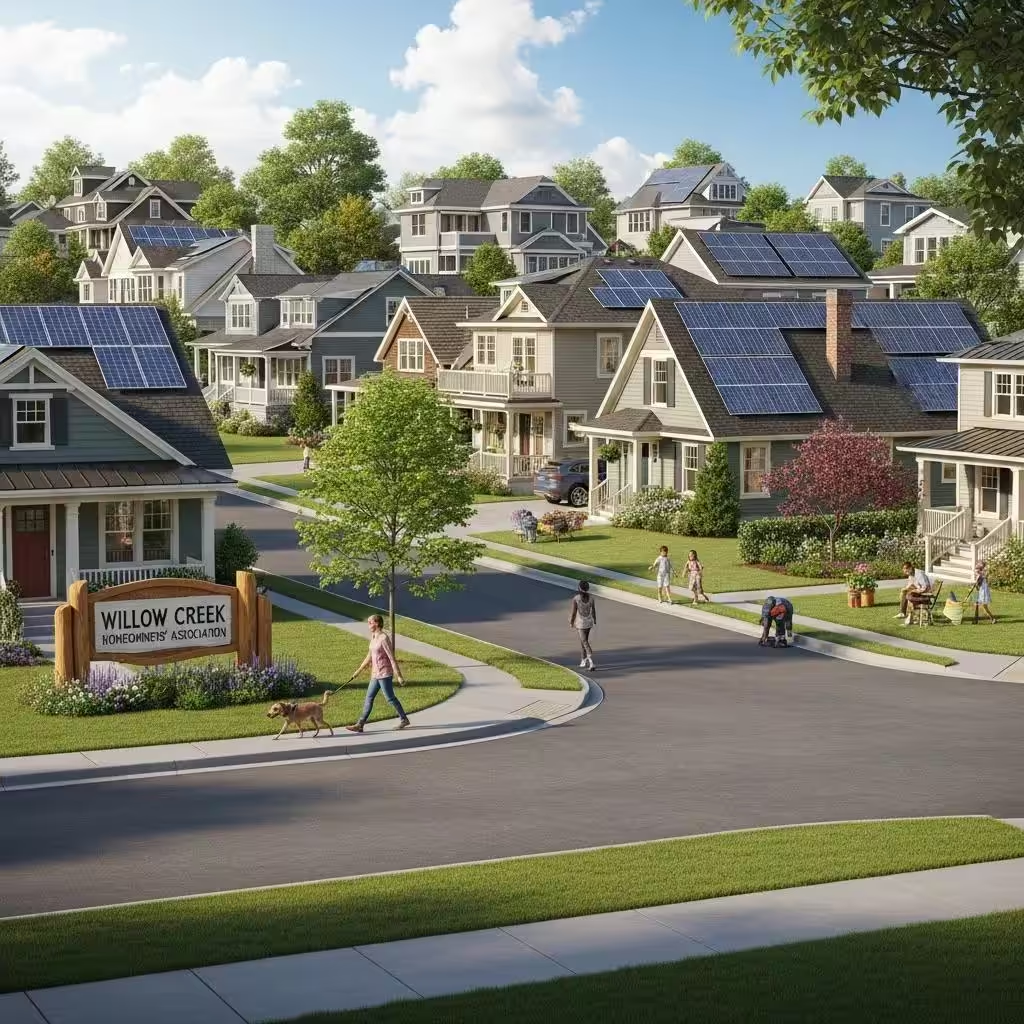
Homeowners’ associations (HOAs) play a significant role in regulating solar panel installations in Massachusetts. These regulations can impact homeowners’ rights to install solar panels on their properties. Understanding the implications of HOA rules is crucial for homeowners considering solar energy.
Massachusetts HOA Rules for Solar Panels
Massachusetts law provides important protections for homeowners wishing to install solar panels, while allowing HOAs to maintain reasonable aesthetic standards. Key points include:
- Massachusetts Solar Access Law (MGL Chapter 40A, Section 3): This law prohibits HOAs and local zoning authorities from outright banning solar installations. Homeowners have the right to install solar panels on their property.
- What HOAs Can Restrict: HOAs may impose reasonable aesthetic guidelines, such as panel color, mounting style, and placement preferences, provided these do not significantly increase costs or reduce system efficiency.
- What HOAs Cannot Do: HOAs cannot prohibit solar entirely, require panel placement that reduces system output by more than 10%, or impose unreasonable fees or delays on solar approval requests.
Homeowners should carefully review their HOA covenants and submit a written installation request that includes system specifications and renderings. If the HOA resists, referencing MGL Chapter 40A can help assert your rights.
What Are the Key HOA Solar Panel Rules and Compliance Standards in Massachusetts?
HOAs may impose specific rules regarding solar panel installations, which can include:
- Panel Placement Guidelines: Restrictions on where panels can be installed to maintain aesthetic standards.
- Visibility Restrictions: Rules that limit the visibility of solar panels from the street or neighboring properties.
- Aesthetic Considerations: Requirements for the design and color of solar panels to ensure they align with the community’s visual standards.
Homeowners should review their HOA’s guidelines thoroughly to ensure compliance and avoid potential disputes.
How to Secure HOA Approval for Residential Solar Installations in Massachusetts?
Securing HOA approval for solar installations involves several steps:
- Review HOA Guidelines: Familiarize yourself with the specific rules and requirements set forth by your HOA.
- Prepare a Detailed Proposal: Create a proposal that outlines your intended solar installation, including design and placement.
- Engage with the HOA Board: Present your proposal to the HOA board and address any concerns they may have.
By following these steps, homeowners can increase their chances of obtaining HOA approval for their solar projects.
Research further emphasizes the importance of understanding the HOA’s role in the approval process for solar installations.
Eversource and National Grid Interconnection Process
Both Eversource and National Grid serve Massachusetts and have similar interconnection processes for residential solar systems. The interconnection process includes the following steps:
- Application Submission: The homeowner or installer submits a net metering application to the utility, including system specifications, a single-line electrical diagram, and inverter datasheets.
- Engineering Review: The utility conducts an engineering review to assess the impact of the solar system on the electrical grid. For systems under 25 kW, this review is typically straightforward and quick.
- Utility Upgrades: In rare cases where grid congestion or safety issues are identified, the utility may require upgrades or modifications before approval.
- Interconnection Agreement: Once approved, the homeowner signs an interconnection agreement with the utility.
- Meter Installation: The utility installs a bi-directional net metering meter to track energy production and consumption.
- Permission to Operate (PTO): The utility issues PTO, authorizing the homeowner to energize and operate the solar system.
Both utilities provide online portals for application submission and status tracking. The typical timeline from application to PTO is 2 to 6 weeks after installation.
What Roofing Considerations Are Vital for Solar Installation in Massachusetts?
Roofing conditions play a crucial role in the success of solar panel installations. Homeowners must consider several factors related to their roofs before proceeding with solar installation.
How Does Roof Condition Impact Solar Panel Installation and Permitting?
The condition of the roof can significantly affect the installation process. Key considerations include:
- Structural Integrity: Ensuring the roof can support the weight of the solar panels.
- Compliance with Local Codes: Meeting local building codes related to roofing and solar installations.
- Impact on Efficiency: A well-maintained roof can enhance the efficiency of solar panels by ensuring optimal placement and exposure to sunlight.
What Are the Best Practices for Roof Replacement When Installing Solar Panels?
When replacing a roof in conjunction with solar panel installation, homeowners should follow these best practices:
- Assess Roof Condition: Evaluate the current state of the roof to determine if replacement is necessary.
- Coordinate Roofing and Solar Work: Schedule roofing and solar installation to minimize disruptions and ensure compatibility.
- Choose Appropriate Materials: Select roofing materials that are durable and compatible with solar installations.
By adhering to these practices, homeowners can ensure a successful solar installation.
Cost of Solar Permits in Massachusetts
Permit fees for solar installations in Massachusetts vary by town and system size. Typical costs include:
- Building Permit Fees: Usually range from $100 to $500 for a standard residential solar system. Some municipalities charge based on the project’s value, such as 1% of the total system cost.
- Electrical Permit Fees: Typically separate from building permits, these fees range from $50 to $200 depending on the scope of electrical work.
- Inclusion in Installer Quotes: Most solar installers include permit fees in their overall project quotes and handle the payment on behalf of the homeowner.
Homeowners should confirm that permit fees are included when reviewing installer proposals to avoid unexpected costs. It is important to note that unpermitted solar systems may face penalties and costly reinstatement fees that far exceed the original permit costs.
What Happens If You Skip the Solar Permit in Massachusetts
Skipping the solar permitting process can lead to significant risks and complications, including:
- Stop-Work Orders and Forced Removal: Local building departments may issue stop-work orders or require removal of unpermitted solar systems.
- Fines and Penalties: Homeowners can face fines for non-compliance with permitting requirements.
- Insurance Issues: Homeowner’s insurance policies may deny claims related to damage or liability involving unpermitted solar installations.
- Utility Interconnection Denial: Utilities will not grant interconnection or net metering approval for unpermitted systems, preventing legal operation.
- Complications in Home Sales: Unpermitted solar systems must be disclosed during home sales and can delay or derail transactions. Lenders may require permits to be resolved before closing.
- Costly Retroactive Permitting: Obtaining permits after installation is possible but often expensive and involves inspections of existing work, potential modifications, and additional fees.
To avoid these issues, homeowners should always follow proper permitting procedures before installing solar panels.
Solar Permitting in Rhode Island and Connecticut vs. Massachusetts
Homeowners in neighboring states should be aware of differences in solar permitting and interconnection processes:
- Rhode Island: Administered through the Rhode Island Office of Energy Resources, Rhode Island uses a streamlined interconnection process via National Grid RI. Permit requirements are similar to Massachusetts, but Rhode Island has a statewide net metering program with slightly different capacity caps and incentive structures.
- Connecticut: Served by Eversource CT and United Illuminating, Connecticut offers the Residential Solar Incentive Program (RSIP) through the Public Utilities Regulatory Authority (PURA). The permit process is municipal like Massachusetts, but Connecticut has a statewide interconnection standard that streamlines approvals.
- Key Takeaway: All three states require local building and electrical permits plus utility interconnection approval. However, program details, incentive structures, and processing times vary. Homeowners near state borders should work with installers licensed and experienced in their specific state to ensure compliance.
Frequently Asked Questions About Solar Permitting in Massachusetts
Do I need a permit to install solar panels in Massachusetts?
Yes. All grid-tied solar installations in Massachusetts require a building permit and electrical permit from your local municipality, plus a utility interconnection application. There are no permit exceptions for residential solar.
How long does solar permitting take in Massachusetts?
The full process from permit application to Permission to Operate typically takes 4 to 10 weeks. Local permits usually take 1 to 3 weeks; utility interconnection review adds another 2 to 6 weeks.
Can my HOA stop me from getting solar in Massachusetts?
No. Under Massachusetts General Law Chapter 40A, Section 3, HOAs and local zoning authorities are prohibited from banning solar installations outright. HOAs can impose reasonable aesthetic guidelines but cannot prevent you from going solar.
Who applies for the solar permit - me or the installer?
In almost all cases, your licensed solar installer handles the permit application on your behalf. They prepare the drawings, submit the applications, pay the fees, and manage the inspection process. You typically just need to sign authorization forms.
What is Permission to Operate (PTO)?
PTO is the final written authorization from your utility (Eversource or National Grid) allowing you to energize and operate your solar system. It is issued after the utility completes its engineering review and confirms the system meets interconnection requirements. You must have PTO before turning on your system.
Does solar require a building inspection in Massachusetts?
Yes. A final electrical inspection is required in all Massachusetts towns. Some towns also require a structural or building inspection. The inspection confirms the installation meets code before the permit is closed and the utility is notified to proceed with interconnection.